一、为什么是窑洞 — 大地给的答案I. Why Yaodong — The Earth's Answer1. 왜 야오동인가 — 대지가 준 답
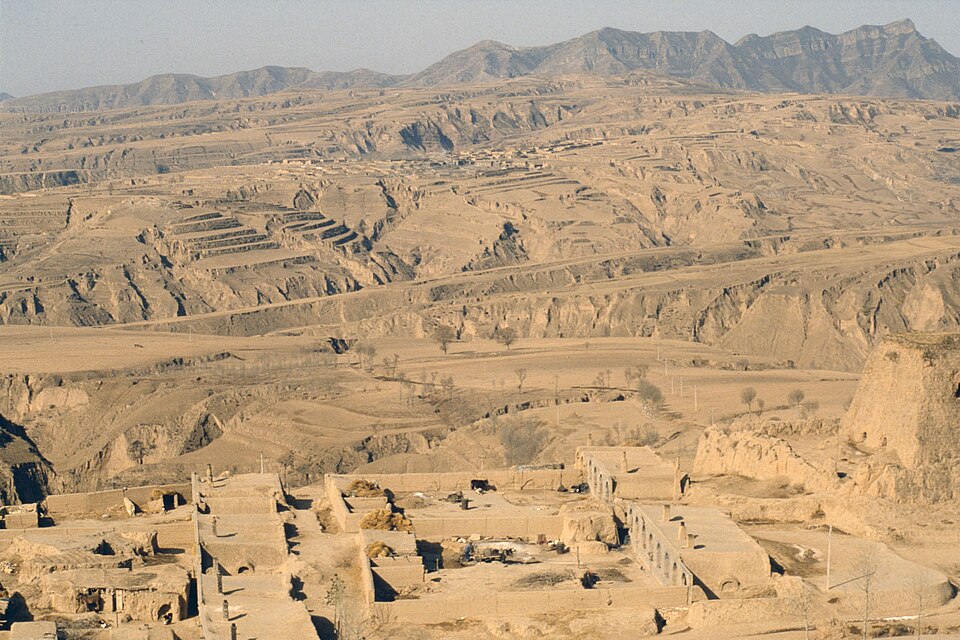
🌍 黄土的秘密🌍 The Secret of Loess🌍 황토의 비밀
黄土高原,世界上最大的黄土堆积区,覆盖面积64万平方公里。这片土地有一个神奇的特性:黄土的垂直节理——挖下去不塌,立面能自撑。这意味着你可以像掏洞一样在崖壁上挖出一个房间,不需要一砖一瓦,不需要一根梁柱。The Loess Plateau, the world's largest loess deposit covering 640,000 km², has a magical property: vertical jointing in loess — it doesn't collapse when excavated vertically, and cliff faces are self-supporting. You can carve a room into a hillside like digging a tunnel — no bricks, no tiles, no beams, no pillars.황토고원은 세계 최대의 황토 퇴적 지역으로 면적이 64만 km²에 달합니다. 이 땅에는 신기한 특성이 있습니다: 황토의 수직 절리 — 수직으로 파도 무너지지 않고, 절벽면이 자체적으로 버팁니다. 벽돌도, 기와도, 대들보도 기둥도 없이 언덕에 방을 파낼 수 있습니다.
📍 山西的窑洞带📍 Shanxi's Yaodong Belt📍 산시의 야오동 벨트
山西的吕梁山区、晋西黄河沿岸、临汾盆地西缘——这些地方黄土层厚达数十米甚至上百米。祖先们发现:与其在地面上费力盖房,不如直接住进大地。于是,窑洞诞生了。In Shanxi's Lüliang Mountains, along the Yellow River in western Shanxi, on the western edge of the Linfen Basin — loess layers here are tens to hundreds of meters thick. Ancestors realized: rather than struggling to build on the surface, just move into the earth. And so, the yaodong was born.산시의 뤼량산맥, 진서 황하 연안, 린펀 분지 서쪽 가장자리 — 이곳의 황토층은 수십 미터에서 수백 미터에 이릅니다. 조상들은 깨달았습니다: 지표면에 힘들게 집을 짓느니 차라리 땅속으로 들어가자. 그렇게 야오동이 탄생했습니다.
💡 最优解,不是无奈之举💡 Optimal Solution, Not Desperation💡 최적의 해답, 궁여지책이 아닌
这不是穷人的无奈之举。这是对自然环境的最优解:黄土保温隔热,窑洞冬暖夏凉;不用木材不用砖,节省到极致;抗震性能极佳,因为整个建筑就是大地本身。This wasn't a poor person's desperate choice. It was the optimal solution to the natural environment: loess insulates perfectly, keeping yaodong warm in winter and cool in summer; no wood or brick needed, ultimate economy; excellent earthquake resistance — because the building IS the earth itself.이것은 가난한 자의 궁여지책이 아니었습니다. 자연환경에 대한 최적의 해답이었죠: 황토가 완벽하게 단열하여 겨울엔 따뜻하고 여름엔 시원하며, 나무도 벽돌도 필요 없는 극한의 절약, 그리고 뛰어난 내진 성능 — 건물 자체가 대지이니까요.
二、三种窑洞 — 各有各的活法II. Three Types — Each with Its Own Way2. 세 가지 유형 — 각자의 삶의 방식
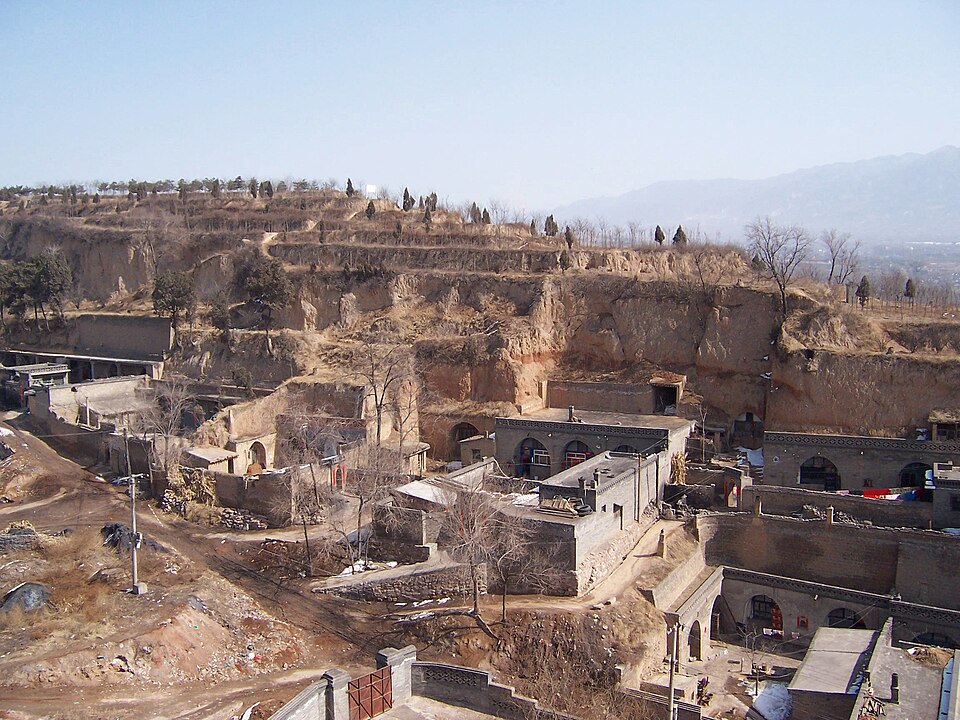
⛰️ 靠崖式窑洞 — 最经典⛰️ Cliff-Side Yaodong — The Classic⛰️ 절벽식 야오동 — 가장 클래식
直接在黄土崖壁上横向掘进,像给大山掏了一个又一个口袋。山西黄河沿岸的村落几乎都是这种——远远望去,黄土崖上一排排拱形洞口,像大地睁开的一只只眼睛。Carved horizontally into loess cliff faces — like carving pockets into a mountain. Nearly every village along Shanxi's Yellow River has these. From afar, rows of arched openings on yellow cliffs look like eyes the earth has opened.황토 절벽에 수평으로 파들어간 형태 — 산에 주머니를 판 것 같습니다. 산시 황하 연안의 거의 모든 마을이 이런 유형입니다. 멀리서 보면 황토 절벽 위 줄줄이 늘어선 아치형 입구가 대지가 뜬 눈처럼 보입니다.
| 参数Spec사양 | 数据Data데이터 |
|---|---|
| 深度Depth깊이 | 7-9米7-9m7-9m |
| 宽度Width너비 | 3-4米3-4m3-4m |
| 高度Height높이 | 3米以上3m+3m 이상 |
| 代表Examples대표 | 碛口古镇、李家山Qikou, Lijiashan치커우, 리자산 |
🕳️ 下沉式窑洞(地坑院)— 最震撼🕳️ Sunken Yaodong (Dikeng Yuan) — Most Stunning🕳️ 지하식 야오동 (디컹위안) — 가장 충격적
在平地上向下挖一个方形大坑,深6-7米,然后在四面坑壁上掏出窑洞。从地面上看,什么都没有——走近了才发现脚下有一整个院落。Dig a square pit 6-7m deep into flat ground, then carve yaodong into all four walls. From the surface — nothing visible. Only when you walk close do you discover an entire courtyard beneath your feet.평지에 6-7m 깊이의 사각형 구덩이를 파고 네 벽면에 야오동을 팝니다. 지표면에서 보면 아무것도 없습니다 — 가까이 가서야 발밑에 마당이 통째로 있다는 걸 발견합니다.
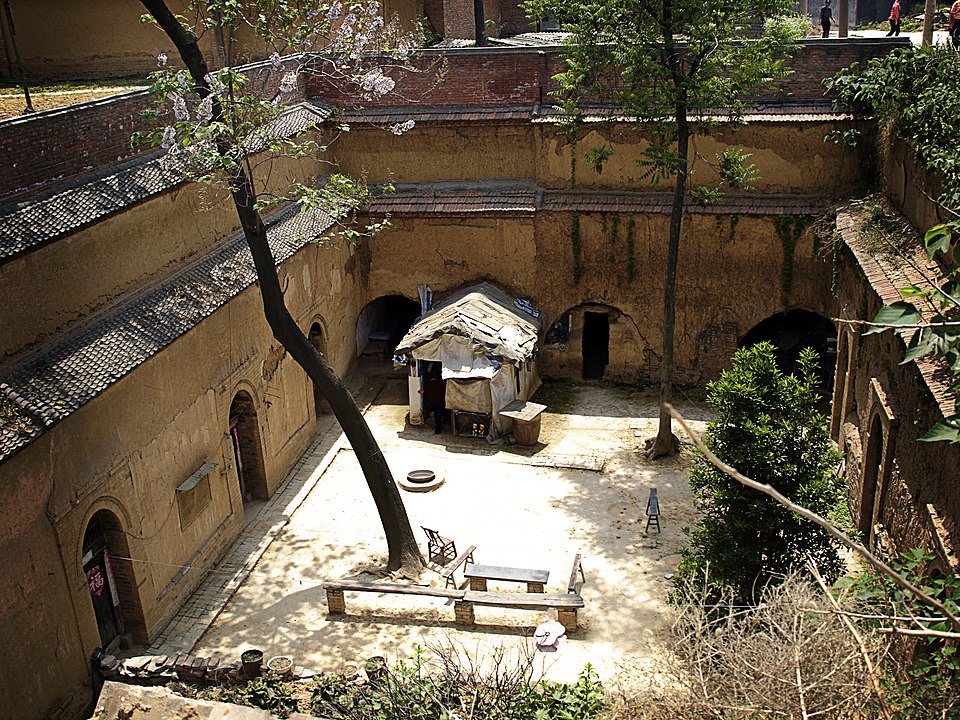
"见树不见村,进村不见房,闻声不见人"——说的就是它。运城平陆、临汾襄汾都有分布。从卫星图看,地面上一个个方形天井,像大地的棋盘。"See trees but no village, enter the village but no houses, hear voices but no people" — that describes it. Found in Pinglu (Yuncheng) and Xiangfen (Linfen). From satellite, square courtyards dot the earth like a giant chess board."나무는 보이되 마을은 안 보이고, 마을에 들어가도 집은 안 보이고, 목소리는 들리되 사람은 안 보인다" — 바로 이것을 말합니다. 윈청 핑루, 린펀 샹펀에 분포합니다. 위성사진으로 보면 사각형 천정이 대지의 바둑판처럼 보입니다.
🧱 砖箍窑洞 — 最讲究🧱 Brick-Vaulted Yaodong — Most Refined🧱 벽돌 야오동 — 가장 정교한
用砖石在地面上砌出拱形结构,模仿窑洞的形状。这是有钱人家的选择——既保留了窑洞冬暖夏凉的优势,又能建在平地上不受地形限制。晋中、晋南的一些大户人家,把砖箍窑洞建成了院落群,外面看是气派的大院,里面住的还是窑洞。师家沟就是这种类型的巅峰——窑洞版的"大院文化"。Brick and stone arched structures built above ground, mimicking yaodong shapes. The wealthy family's choice — retaining the warm-winter-cool-summer advantage while building on flat ground. Some wealthy families in central and southern Shanxi built courtyard complexes: grand compounds outside, yaodong living inside. Shijiagou represents the pinnacle — "grand compound culture" in yaodong form.벽돌과 돌로 지상에 아치형 구조를 쌓아 야오동 형태를 재현한 것. 부유한 집안의 선택으로 — 겨울에 따뜻하고 여름에 시원한 장점을 유지하면서도 지형 제약 없이 평지에 지을 수 있었습니다. 진중·진남의 부유한 가문들은 벽돌 야오동으로 대원(大院)을 만들었는데, 밖에서 보면 웅장한 저택이지만 안에서는 야오동에 사는 것. 스자거우가 그 정점입니다 — 야오동 판 '대원 문화'.
📊 三种窑洞对比📊 Three Types Compared📊 세 유형 비교
| 类型Type유형 | 靠崖式Cliff-Side절벽식 | 下沉式Sunken지하식 | 砖箍式Brick-Vaulted벽돌식 |
|---|---|---|---|
| 地形Terrain지형 | 需要崖壁Needs cliff절벽 필요 | 平地Flat평지 | 平地Flat평지 |
| 材料Material재료 | 仅黄土Loess only황토만 | 仅黄土Loess only황토만 | 砖石+黄土Brick+loess벽돌+황토 |
| 造价Cost비용 | 极低Very low극히 낮음 | 低Low낮음 | 较高Higher비교적 높음 |
| 分布Location분포 | 吕梁、黄河沿岸Lüliang, Yellow River뤼량, 황하 연안 | 运城、临汾Yuncheng, Linfen윈청, 린펀 | 晋中、晋南Central/South Shanxi진중, 진남 |
三、建造智慧 — 四千年的工程学III. Building Wisdom — 4,000 Years of Engineering3. 건축의 지혜 — 4천 년의 공학
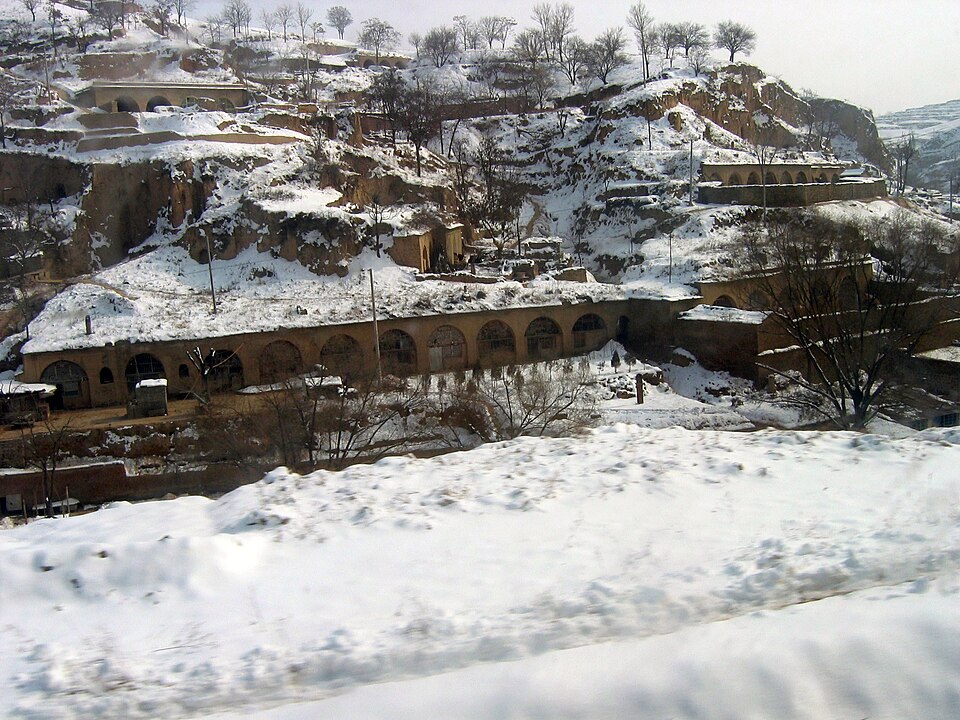
🌡️ 天然空调:冬暖夏凉🌡️ Natural AC: Warm Winter, Cool Summer🌡️ 천연 에어컨: 겨울엔 따뜻, 여름엔 시원
窑洞被几米甚至十几米厚的黄土包裹,地下温度常年恒定在10-15°C。外面零下20°C的寒冬,窑洞里不生火也有10°C以上;外面40°C酷暑,窑洞里凉爽如秋。比你家空调省电100%——因为根本不用电。Wrapped in meters of loess, underground temperature stays constant at 10-15°C year-round. Outside at -20°C in winter, yaodong stays above 10°C without heating; outside at 40°C in summer, inside feels like autumn. 100% more efficient than your AC — because it uses zero electricity.수 미터에서 십여 미터의 황토에 둘러싸여 지하 온도가 연중 10-15°C로 일정합니다. 바깥이 영하 20°C인 한겨울에도 야오동 안은 난방 없이 10°C 이상; 40°C 폭염에도 안은 가을처럼 시원. 에어컨보다 100% 효율적 — 전기를 아예 안 쓰니까요.
🔺 拱形结构:力学的完美🔺 Arch Structure: Engineering Perfection🔺 아치 구조: 역학의 완벽함
窑洞的拱形截面不是为了好看——这是最优的受力结构。拱形将上方黄土的重力均匀传递到两侧,不需要任何支撑。同样的原理,罗马人用它建了万神殿,山西人用它挖了家。区别是:罗马人需要混凝土,山西人只需要一把镢头。The arch cross-section isn't aesthetic — it's the optimal load-bearing structure, distributing the weight of overlying loess evenly to both sides without any support. Same principle Romans used for the Pantheon. Difference: Romans needed concrete; Shanxi people only needed a pickaxe.야오동의 아치형 단면은 미관이 아닌 최적의 하중 지지 구조입니다. 아치가 위의 황토 무게를 양쪽으로 균등하게 분산시켜 아무런 지지대가 필요 없습니다. 로마인이 판테온에 쓴 것과 같은 원리. 차이점: 로마인은 콘크리트가 필요했고, 산시 사람은 곡괭이 하나면 됐습니다.
🧭 朝向讲究:坐北朝南🧭 Orientation: Facing South🧭 방향의 원칙: 남향
好窑洞一定朝南开口。冬天太阳低,阳光能照进窑洞深处;夏天太阳高,阳光只到门口就停了。不用百叶窗不用遮阳帘,4000年前的被动式太阳能设计。Good yaodong always face south. In winter, low sun reaches deep inside; in summer, high sun stops at the doorway. No blinds, no shades needed — passive solar design from 4,000 years ago.좋은 야오동은 반드시 남향입니다. 겨울에는 낮은 태양빛이 깊숙이 들어오고, 여름에는 높은 태양빛이 입구에서 멈춥니다. 블라인드도 차양도 필요 없는 4천 년 전의 패시브 솔라 설계.
💧 排水系统:命脉工程💧 Drainage: The Lifeline💧 배수 시스템: 생명선
窑洞最怕水。所以每一孔窑洞都有精密的排水设计:窑顶做弧形防止积水,窑前挖排水沟,地坑院甚至有专门的渗水井(旱井)。下雨天,院子里的水全部汇入旱井慢慢渗入地下。这套系统运行了几千年,比很多城市的下水道靠谱。Water is yaodong's worst enemy. Every cave has precise drainage: curved tops prevent pooling, drainage ditches in front, sunken courtyards have dedicated seepage wells. Rainwater collects and slowly percolates underground. This system has worked for millennia — more reliable than many city sewers.야오동의 최대 적은 물입니다. 그래서 모든 야오동에는 정밀한 배수 설계가 있습니다: 둥근 지붕으로 물 고임 방지, 앞쪽에 배수구, 지하식 야오동에는 전용 삼수정(旱井)까지. 비가 오면 마당의 물이 모두 삼수정으로 흘러 서서히 지하로 스며듭니다. 수천 년간 작동해 온 이 시스템은 많은 도시 하수도보다 믿음직합니다.
💪 抗震奇迹💪 Earthquake Miracle💪 내진 기적
1556年华县大地震(人类史上死亡人数最多的地震,83万人),地面建筑大量倒塌,而很多窑洞安然无恙。原因很简单:窑洞和大地是一体的,地震时它跟着地面一起动,没有"倒塌"这个概念。你不能推倒一座山——窑洞就是山的一部分。The 1556 Shaanxi earthquake (deadliest in human history, 830,000 deaths) destroyed countless buildings, but many yaodong survived intact. The reason is simple: yaodong IS the earth — during an earthquake, it moves with the ground. You can't topple a mountain, and yaodong is part of the mountain.1556년 화현 대지진(인류 역사상 최다 사망자 83만 명)으로 지상 건물이 대거 무너졌지만 많은 야오동은 무사했습니다. 이유는 간단합니다: 야오동은 대지 자체이므로 지진 때 땅과 함께 움직입니다. 산을 무너뜨릴 수 없듯이 — 야오동은 산의 일부입니다.
📊 性能数据📊 Performance Data📊 성능 데이터
| 指标Metric지표 | 窑洞Yaodong야오동 | 普通砖瓦房Brick House일반 벽돌집 |
|---|---|---|
| 夏季室温Summer Indoor여름 실내 온도 | ~18-22°C | ~28-35°C |
| 冬季室温Winter Indoor겨울 실내 온도 | ~10°C(不生火)~10°C (no heating)~10°C (난방 없이) | ~0°C(不供暖)~0°C (no heating)~0°C (난방 없이) |
| 能耗Energy에너지 | 砖房的1/3~1/51/3–1/5 of brick벽돌집의 1/3~1/5 | 100% |
| 碳排放Carbon탄소 배출 | ≈零≈Zero≈제로 | 正常排放Normal정상 배출 |
| 隔音Sound방음 | 极佳Excellent매우 우수 | 一般Average보통 |
四、窑洞生活 — 一个完整的小宇宙IV. Life Inside — A Complete Little Universe4. 야오동 생활 — 하나의 완전한 소우주
🔥 土炕:窑洞的心脏🔥 Kang: The Yaodong's Heart🔥 온돌(캉): 야오동의 심장
每孔窑洞里都有一铺土炕,占了屋子三分之一面积。炕下连着灶台,做饭的余热给炕加温。冬天一家人吃在炕上、坐在炕上、睡在炕上。炕不只是床——它是客厅、餐厅、书房、社交中心。来了客人,上炕是最高礼遇。Every yaodong has a heated brick bed (kang) taking up a third of the room, connected to the stove — cooking heat warms the bed. In winter, the family eats, sits, sleeps on the kang. It's not just a bed — it's living room, dining room, study, and social center. Inviting guests onto the kang is the highest honor.모든 야오동에는 방의 3분의 1을 차지하는 온돌(캉)이 있고, 아궁이와 연결되어 요리 여열이 캉을 데웁니다. 겨울에 가족은 캉에서 먹고, 앉고, 잡니다. 캉은 단순한 침대가 아닌 거실·식당·서재·사교 중심. 손님을 캉에 올리는 것이 최고의 예우입니다.
✂️ 窗花:窑洞的眼睛✂️ Paper Cuts: The Yaodong's Eyes✂️ 전지(窓花): 야오동의 눈
窑洞正面是一整面格子窗,糊上白纸,贴上红色剪纸窗花。这是窑洞唯一的装饰,也是最动人的。婆姨们剪的窗花,有花鸟鱼虫、十二生肖、吉祥纹样,每一个图案都有讲究。窗花一贴,黄土窑洞瞬间就活了。山西中阳剪纸就是国家级非遗。The yaodong's front wall is a lattice window, covered in white paper, decorated with red paper-cut art. The only decoration — and the most beautiful. Women cut designs of flowers, birds, zodiac animals, and auspicious patterns, each with meaning. Once the paper cuts go up, a plain cave comes alive. Zhongyang paper-cutting is a national intangible cultural heritage.야오동 정면은 격자창에 흰 종이를 바르고 빨간 전지(剪紙)를 붙입니다. 유일한 장식이자 가장 아름다운 것. 아낙네들이 오린 꽃, 새, 십이지, 길상 문양은 하나하나 의미가 있습니다. 전지를 붙이면 황토 동굴이 순식간에 살아납니다. 산시 중양 전지는 국가급 무형문화재입니다.
🫕 灶火与炊烟🫕 The Stove & Rising Smoke🫕 아궁이와 밥짓는 연기
窑洞的灶台紧挨着炕,烟道从炕底穿过后从窑洞顶部的烟囱排出。一把柴火,同时完成做饭和取暖两件事。黄昏时分,黄土崖上升起袅袅炊烟——这是黄土高原最经典的画面,也是无数山西人的乡愁。The stove sits next to the kang, with flues running under it and out through a chimney on top. One bundle of firewood cooks dinner and heats the bed simultaneously. At dusk, wisps of smoke rising from loess cliffs — the most iconic image of the Loess Plateau, and the deepest nostalgia for countless Shanxi people.아궁이는 캉 바로 옆에 있고, 연도가 캉 밑을 지나 굴뚝으로 빠져나갑니다. 나뭇단 하나로 밥 짓기와 난방을 동시에. 해질녘 황토 절벽에서 피어오르는 밥짓는 연기 — 황토고원의 가장 상징적인 풍경이자 수많은 산시인의 향수입니다.
🏠 一家人的窑洞群🏠 A Family's Cave Compound🏠 한 가족의 야오동 단지
一个家庭通常有3-5孔窑洞一字排开:正窑住人(老人住最深最暖的),偏窑做厨房和储物,有的还有专门的牲口窑。儿子成家了?再往旁边挖一孔。窑洞的扩展方式就是这么简单粗暴——需要就挖,大地管够。A family typically has 3-5 yaodong in a row: the main cave for living (elders get the deepest, warmest one), side caves for kitchen and storage, sometimes a livestock cave. Son getting married? Dig another one next door. Expansion is beautifully simple — just dig more, the earth provides.한 가족은 보통 3-5개의 야오동을 나란히 둡니다: 본동은 주거용(어르신이 가장 깊고 따뜻한 곳), 옆동은 부엌과 창고, 때로는 가축용도 있습니다. 아들이 결혼한다고? 옆에 하나 더 파면 됩니다. 확장이 이렇게 단순합니다 — 필요하면 파면 되고, 대지는 넉넉하니까.
🎊 窑洞里的大事🎊 Big Events in the Cave🎊 야오동에서의 큰 행사
结婚、过年、满月酒——窑洞里的大事都在炕上办。新婚夜的窑洞要贴满窗花和红色对联,炕上铺新被褥。过年时,窑洞门口挂灯笼贴春联,窑洞里一家人围坐在炕上吃年夜饭。那个画面,比任何豪宅都温暖。Weddings, New Year's, baby celebrations — all happen on the kang. The wedding night cave is covered in paper cuts and red couplets, fresh bedding on the kang. During New Year's, lanterns and couplets at the door, family gathered on the kang for reunion dinner. That scene is warmer than any mansion.결혼, 설날, 백일잔치 — 야오동의 모든 큰 행사는 캉 위에서 합니다. 신혼의 야오동은 전지와 붉은 대련으로 가득, 캉에는 새 이불. 설날에는 입구에 등롱과 춘련, 가족이 캉에 둘러앉아 세찬을 먹습니다. 그 풍경은 어떤 호화 저택보다 따뜻합니다.
五、必去之地 — 山西窑洞地图V. Must-Visit — Shanxi Yaodong Map5. 꼭 가봐야 할 곳 — 산시 야오동 지도
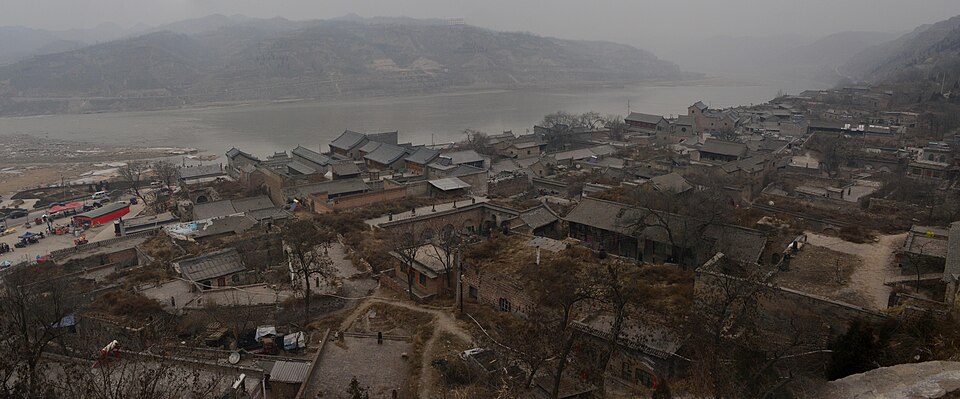
🎨 李家山 — 吴冠中的"发现"🎨 Lijiashan — Wu Guanzhong's "Discovery"🎨 리자산 — 우관중의 '발견'
1989年,著名画家吴冠中来到临县碛口镇的李家山,震惊了。他说这里和黄山一样有价值,是他一生中的重大发现。整个村子建在陡峭的黄土山坡上,窑洞从山脚叠到山顶,层层叠叠如同一座宏伟的黄土城堡。几百年来,李家人就这样住在这座"大地雕塑"里。In 1989, renowned painter Wu Guanzhong visited Lijiashan near Qikou — and was stunned. He declared it as valuable as Huangshan, a major discovery of his lifetime. The entire village clings to a steep loess hillside, yaodong stacking from base to summit like a grand earthen castle. For centuries, the Li family lived in this "earth sculpture."1989년, 저명한 화가 우관중이 린현 치커우의 리자산을 방문하고 경악했습니다. 황산만큼 가치 있는 일생일대의 발견이라 했죠. 마을 전체가 가파른 황토 언덕에 지어져 야오동이 산기슭에서 꼭대기까지 겹겹이 쌓여 웅장한 황토 성채 같습니다.
如今游客来了,但很多窑洞已经空了——年轻人走了,只剩老人守着祖先挖的洞。Tourists come now, but many caves stand empty — the young have left, only elders remain guarding their ancestors' caves.관광객이 오지만 많은 동굴은 비어 있습니다 — 젊은이는 떠나고 조상이 판 동굴을 지키는 건 노인뿐.
🏴 碛口古镇 — 黄河边的窑洞商埠🏴 Qikou — Yaodong Trading Port on the Yellow River🏴 치커우 고진 — 황하변의 야오동 상업항
明清时期黄河水运的重要码头,"水旱码头小都会"。沿黄河岸的窑洞群依山而建,曾是热闹的商铺和客栈。如今商船不再来了,但窑洞还在——一半住着原住民,一半变成了民宿和咖啡馆。黄土、黄河、窑洞,三个"黄"色构成了中国最原始的风景。A major Yellow River port in the Ming-Qing era — "a small metropolis of water and land docks." Yaodong clusters built along the riverbank were once bustling shops and inns. Commercial ships no longer come, but the yaodong remain — half housing original residents, half converted to guesthouses and cafés. Loess, Yellow River, yaodong — three shades of yellow forming China's most primal landscape.명청 시대 황하 수운의 주요 항구, "수륙 부두의 작은 도시". 황하변에 산을 따라 지어진 야오동 군락은 한때 번화한 상점과 여관이었습니다. 상선은 더 이상 오지 않지만 야오동은 남아 — 절반은 원주민이 살고 절반은 민박과 카페로. 황토, 황하, 야오동 — 세 가지 '황(黃)'이 중국에서 가장 원시적인 풍경을 이룹니다.
🏯 师家沟 — 窑洞里的大院🏯 Shijiagou — Grand Compound in Yaodong🏯 스자거우 — 야오동 속의 대원
汾西县师家沟,把窑洞建成了宫殿群。始建于清顺治年间,历经数代扩建,窑洞、楼房、院落依山而建,占地面积10万平方米。有暗道、有机关、有精美的砖雕石雕。它证明了窑洞不只是穷人的选择——有钱人住的窑洞,比地面上的豪宅还讲究。Shijiagou in Fenxi County turned yaodong into a palace complex. Built starting in the Qing Shunzhi era, expanded over generations — yaodong, buildings, and courtyards cover 100,000 m² across the hillside. Secret tunnels, hidden mechanisms, exquisite brick and stone carvings. It proves yaodong weren't just for the poor — the wealthy version surpasses any above-ground mansion.펀시현 스자거우는 야오동을 궁전 단지로 만들었습니다. 청 순치 연간에 시작해 수 세대에 걸쳐 확장된 야오동·누각·마당이 산을 따라 10만 m²에 펼쳐집니다. 비밀 통로, 숨겨진 장치, 정교한 벽돌·석각. 야오동이 가난한 자만의 선택이 아님을 증명합니다.
🔲 平陆地坑院 — 地下的四合院🔲 Pinglu Dikeng Yuan — Underground Courtyards🔲 핑루 디컹위안 — 지하 사합원
运城平陆县的地坑院,是下沉式窑洞的代表。从地面上完全看不出来,走到坑边才发现地下别有洞天。一棵大枣树从坑底长出来,树冠刚好和地面齐平——这是地坑院最经典的画面。院里有水井、有磨盘、有鸡窝,一个自给自足的小世界。Pinglu County's sunken courtyards represent the quintessential underground yaodong. Invisible from the surface — walk to the edge and discover a whole world below. A jujube tree grows from the pit floor, its canopy level with the ground — the most iconic dikeng yuan image. Inside: a well, a millstone, a chicken coop — a self-sufficient little world.윈청 핑루현의 디컹위안은 지하식 야오동의 대표입니다. 지표면에서는 전혀 보이지 않다가 가장자리에 서면 지하의 별천지를 발견합니다. 대추나무가 구덩이 바닥에서 자라 수관이 지면과 딱 맞닿는 것이 가장 상징적인 장면. 안에는 우물, 맷돌, 닭장 — 자급자족하는 작은 세계.
🏘️ 西湾村 — 全国历史文化名村🏘️ Xiwan Village — National Historic Village🏘️ 시완촌 — 전국 역사문화 명촌
碛口镇旁的西湾村,明清窑洞民居保存完好,2003年入选全国历史文化名村。整个村子的窑洞群依山面水,层次分明,街巷蜿蜒。村里的陈氏家族在这里生活了几百年,窑洞从最初的几孔扩展到整个山坡。这是一个家族和一座黄土山坡共生共长的故事。Xiwan Village near Qikou has well-preserved Ming-Qing yaodong, named a National Historic Village in 2003. The yaodong cluster faces the river against the mountain, layered and winding. The Chen family lived here for centuries, expanding from a few caves to the entire hillside — a story of a family and a loess slope growing together.치커우 옆 시완촌은 명청 야오동 민가가 잘 보존되어 2003년 전국 역사문화 명촌으로 선정되었습니다. 마을의 야오동이 산을 등지고 물을 바라보며 층층이 펼쳐집니다. 천씨 가문이 수백 년간 살며 몇 개의 동굴에서 산비탈 전체로 확장 — 한 가족과 황토 언덕이 함께 성장한 이야기.
🗻 后沟古村 — 原生态活化石🗻 Hougou Village — Living Fossil🗻 허우거우 고촌 — 원생태 화석
榆次的后沟古村,藏在深沟里,几乎与世隔绝。村里的窑洞、庙宇、戏台保存完好,生活方式还停留在几十年前。2005年被中国民间文艺家协会命名为"中国民间文化遗产抢救工程"示范基地。来这里,就像穿越回了一百年前的山西。Hougou Village in Yuci, hidden in a deep ravine, nearly isolated from the world. Yaodong, temples, and opera stages perfectly preserved, with a lifestyle frozen decades ago. Named a demonstration base for China's Folk Cultural Heritage Rescue Project in 2005. Visit here and you've time-traveled a century into Shanxi's past.위츠의 허우거우 고촌은 깊은 골짜기에 숨어 거의 세상과 단절되어 있습니다. 야오동, 사찰, 극장이 완벽히 보존되어 생활방식이 수십 년 전에 멈춰 있습니다. 2005년 '중국 민간문화유산 구급공정' 시범기지로 지정. 이곳에 오면 100년 전 산시로 시간여행을 하는 것 같습니다.
六、消亡与新生 — 最后的窑洞人VI. Decline & Revival — The Last Cave Dwellers6. 소멸과 부활 — 마지막 야오동 사람들
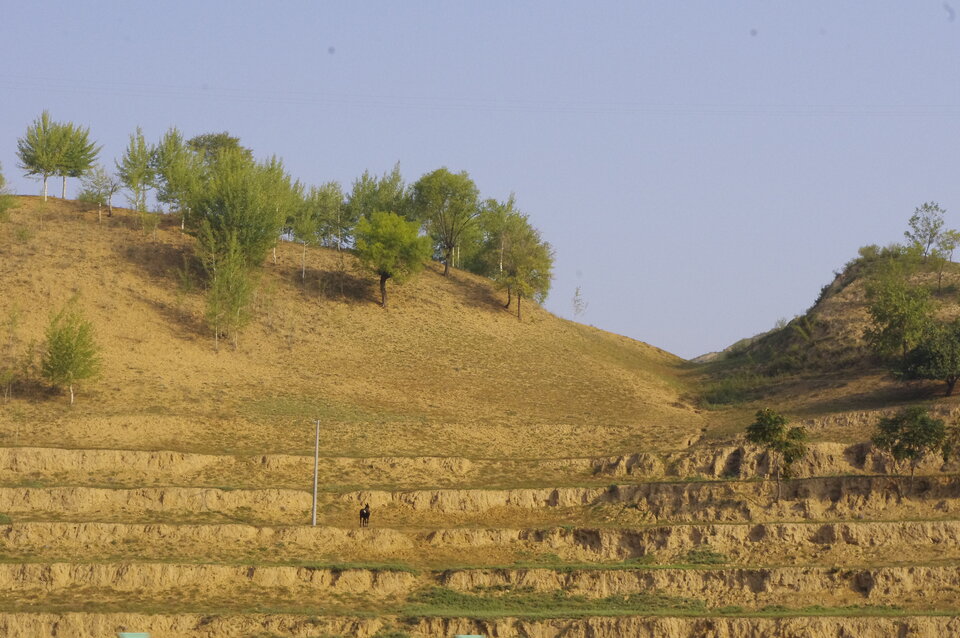
📉 消亡📉 Decline📉 소멸
过去半个世纪,山西的窑洞以惊人的速度消失。年轻人去了城市,再也不回来。老人去世后,窑洞就空了,黄土慢慢把洞口吞没。一个村子从几十户变成几户,从几户变成空村。Over the past half-century, Shanxi's yaodong have vanished at alarming speed. Young people left for cities, never returning. After elders pass, caves empty and loess slowly swallows the openings. Villages shrink from dozens of families to a handful, then to ghost villages.지난 반세기 동안 산시의 야오동은 놀라운 속도로 사라졌습니다. 젊은이들은 도시로 떠나 돌아오지 않고, 노인이 돌아가시면 야오동은 비어 황토가 서서히 입구를 삼킵니다. 수십 가구가 몇 가구로, 몇 가구가 빈 마을로.
政府的"移民搬迁"政策加速了这个过程——窑洞被认为是"落后"的象征,住窑洞的人被搬到平房里。很多窑洞村在地图上还有名字,实际上已经没有一个人。Government relocation policies accelerated the process — yaodong labeled as "backward," residents moved to flat houses. Many yaodong villages still have names on maps but not a single resident.정부의 이주 정책이 이 과정을 가속했습니다 — 야오동은 '낙후'의 상징으로 여겨져 주민들이 평지 주택으로 옮겨졌습니다. 많은 야오동 마을이 지도에 이름만 남아 있고 실제로는 한 사람도 없습니다.
🌱 新生🌱 Revival🌱 부활
但故事没有结束。近年来,一些有眼光的人开始重新发现窑洞的价值。碛口成了旅游热点,窑洞民宿在各大平台上火了。建筑师们开始研究窑洞的被动式节能技术,发现这个4000年前的设计暗合了最前沿的绿色建筑理念。But the story isn't over. Recently, visionaries have rediscovered yaodong's value. Qikou became a tourism hotspot, yaodong guesthouses went viral on booking platforms. Architects studying yaodong's passive energy techniques found that 4,000-year-old designs align with cutting-edge green building principles.하지만 이야기는 끝나지 않았습니다. 최근 선견지명이 있는 사람들이 야오동의 가치를 재발견하기 시작했습니다. 치커우가 관광 핫플레이스가 되고 야오동 민박이 각종 플랫폼에서 인기를 끌었습니다. 건축가들이 야오동의 패시브 에너지 기술을 연구하며 4천 년 전 설계가 최첨단 친환경 건축 이념과 부합함을 발견했습니다.
一些新建的窑洞酒店保留了传统形态,加上了现代设施——WiFi、地暖、独立卫浴。住在大地里,但不用将就。New yaodong hotels preserve traditional forms while adding modern amenities — WiFi, underfloor heating, private bathrooms. Living in the earth, without compromise.새로 지은 야오동 호텔은 전통 형태를 유지하면서 WiFi, 바닥 난방, 개별 욕실 등 현대 시설을 갖췄습니다. 대지 속에 살되, 타협하지 않는 것.
⏳ 但时间不多了⏳ But Time Is Running Out⏳ 하지만 시간이 많지 않다
会挖窑洞的老匠人越来越少,很多传统技艺面临失传。一孔窑洞从选址到完工需要几个月甚至一年,这个速度在推土机时代显得太慢了。如果再不记录、不保护,等最后一批窑洞匠人离开,这门延续了四千年的技艺就真的断了。Master yaodong builders are fewer each year, many traditional skills face extinction. A yaodong takes months to a year from site selection to completion — too slow for the bulldozer age. Without documentation and protection, when the last yaodong masters are gone, this 4,000-year craft dies with them.야오동을 팔 줄 아는 노장인이 해마다 줄고 많은 전통 기술이 단절 위기입니다. 야오동 하나를 터 잡기부터 완공까지 수개월에서 1년 — 불도저 시대에는 너무 느립니다. 기록하고 보호하지 않으면, 마지막 야오동 장인이 떠나는 날 4천 년의 기술이 정말로 끊깁니다.
七、冷知识 — 你不知道的窑洞VII. Fun Facts — Things You Didn't Know7. 재미있는 사실 — 몰랐던 야오동
🏛️ 毛泽东在窑洞里指挥了中国革命🏛️ Mao Directed the Revolution from a Yaodong🏛️ 마오쩌둥은 야오동에서 혁명을 지휘했다
延安时期(1935-1948),中共中央就住在窑洞里。毛泽东在窑洞里写出了《论持久战》《实践论》等重要著作。"窑洞对"更是中国政治史上的经典——1945年,毛泽东在窑洞里和黄炎培讨论如何跳出"历史周期率"。一孔黄土窑洞里,改变了中国的命运。(虽然延安在陕西,但山西、陕西的窑洞同源同根。)During the Yan'an Period (1935-1948), CPC headquarters were in yaodong. Mao wrote "On Protracted War" and "On Practice" in a cave. The famous "Yaodong Dialogue" of 1945 — Mao discussing the "historical cycle" with Huang Yanpei — is a classic of Chinese political history. One loess cave changed China's destiny. (Though Yan'an is in Shaanxi, the yaodong of Shanxi and Shaanxi share the same roots.)옌안 시기(1935-1948), 중국공산당 본부가 야오동에 있었습니다. 마오가 야오동에서 《지구전론》《실천론》 등을 집필했고, 1945년 황옌페이와 '역사 주기율'을 논한 '야오동 대화'는 중국 정치사의 고전입니다. 황토 동굴 하나가 중국의 운명을 바꿨습니다. (옌안은 산시(陕西)이지만, 산시(山西)·산시(陕西)의 야오동은 같은 뿌리.)
👀 从太空能看到地坑院👀 Sunken Courtyards Visible from Space👀 우주에서도 보이는 디컹위안
在Google Earth上看黄土高原,你能看到密密麻麻的方形天井——那就是地坑院。一个个7米见方的正方形整齐排列在大地上,仿佛外星人留下的图腾。实际上是一代代农民用锄头在大地上"盖"的房子。On Google Earth, zoom into the Loess Plateau and you'll see dense square openings — those are dikeng yuan. 7-meter squares neatly arranged on the earth, looking like alien totems. Actually houses "built" by generations of farmers with nothing but hoes.구글 어스에서 황토고원을 확대하면 빽빽한 사각형 천정이 보입니다 — 그것이 디컹위안입니다. 7미터 크기의 정사각형이 대지 위에 정렬되어 마치 외계인의 토템 같습니다. 실제로는 대대로 농부들이 호미로 대지에 '지은' 집입니다.
🎬 电影里的窑洞🎬 Yaodong in Film🎬 영화 속의 야오동
张艺谋的《红高粱》,陈凯歌的《黄土地》,贾樟柯的《站台》——中国第五代、第六代导演都拍过窑洞。窑洞在银幕上是贫穷的象征,也是坚韧的象征,更是一种苍凉的美。黄土崖、拱形窑洞、炕上的老人——这些画面定义了很多外国人对"中国乡村"的想象。Zhang Yimou's "Red Sorghum," Chen Kaige's "Yellow Earth," Jia Zhangke's "Platform" — China's 5th and 6th generation directors all filmed yaodong. On screen, yaodong symbolizes poverty, resilience, and a desolate beauty. Loess cliffs, arched caves, elders on the kang — these images define many foreigners' imagination of "rural China."장이머우의 《붉은 수수밭》, 천카이거의 《황토지》, 자장커의 《플랫폼》 — 중국 5세대·6세대 감독 모두 야오동을 촬영했습니다. 스크린에서 야오동은 빈곤과 강인함, 그리고 황량한 아름다움의 상징. 황토 절벽, 아치형 동굴, 캉 위의 노인 — 이 장면들이 많은 외국인의 '중국 시골' 상상을 정의합니다.
🐓 窑洞里养过的动物比你想象的多🐓 Yaodong Housed More Animals Than You'd Think🐓 야오동에서 키운 동물은 상상 이상
除了人住的窑洞,还有专门的牲口窑(驴、牛、骡子)、鸡窑、羊窑,甚至猪窑。人和动物住在同一面崖壁上,各有各的洞,互不干扰。这大概是世界上最早的"分区管理"理念——4000年前的物业管理。Besides human yaodong, there were dedicated caves for donkeys, cattle, mules, chickens, sheep, even pigs. Humans and animals on the same cliff face, each with their own cave, not disturbing each other. Probably the world's earliest "zoning" concept — property management from 4,000 years ago.사람이 사는 야오동 외에 당나귀·소·노새용, 닭용, 양용, 심지어 돼지용 전용 동굴도 있었습니다. 사람과 동물이 같은 절벽에 살되 각자의 동굴에서 서로 방해하지 않았죠. 아마도 세계 최초의 '구역 관리' 개념 — 4천 년 전의 부동산 관리.
🌳 地坑院里的那棵树🌳 The Tree in the Sunken Courtyard🌳 디컹위안 안의 그 나무
几乎每个地坑院里都种一棵树,通常是枣树或榆树。功能远不止好看:树根固土防止坑壁塌陷,树冠遮阳调节院内温度,落叶是燃料,果实可以吃。而且从地面上看,一片平地突然冒出一棵树冠——这是识别地坑院的"信号灯"。走路看到地上莫名其妙长棵树的时候,小心脚下——你可能站在别人家屋顶上。Nearly every dikeng yuan has a tree — usually jujube or elm. Far more than decoration: roots stabilize walls, canopy regulates temperature, fallen leaves serve as fuel, fruit is edible. From the surface, a tree crown suddenly appearing on flat ground is the "signal light" for spotting a dikeng yuan. If you see a mysterious tree growing from flat ground — careful, you might be standing on someone's roof.거의 모든 디컹위안에는 나무가 한 그루 있는데, 보통 대추나무나 느릅나무입니다. 단순한 장식이 아닙니다: 뿌리가 벽을 고정하고, 수관이 온도를 조절하며, 낙엽은 연료, 열매는 식용. 지면에서 보면 평지에 갑자기 나무 꼭대기가 보이는 것이 디컹위안을 찾는 '신호등'입니다. 평지에 이상하게 나무가 자라는 걸 보면 조심하세요 — 누군가의 지붕 위에 서 있을 수 있습니다.
🌡️ 比现代建筑更节能🌡️ More Energy-Efficient Than Modern Buildings🌡️ 현대 건축보다 에너지 효율적
建筑学研究表明,窑洞的能耗仅为同等面积砖瓦房的1/3到1/5。在"碳中和"成为全球热词的今天,4000年前的窑洞早就实现了"零碳建筑"。有些建筑学家甚至提出"新窑洞运动"——用现代技术优化传统窑洞,作为黄土高原地区的可持续住宅方案。Architectural studies show yaodong energy consumption is only 1/3 to 1/5 of equivalent brick buildings. In today's "carbon neutral" world, 4,000-year-old yaodong achieved "zero-carbon architecture" long ago. Some architects propose a "New Yaodong Movement" — optimizing traditional yaodong with modern technology as a sustainable housing solution for the Loess Plateau.건축학 연구에 따르면 야오동의 에너지 소비는 같은 면적의 벽돌집의 1/3~1/5에 불과합니다. '탄소중립'이 세계적 화두인 오늘날, 4천 년 된 야오동은 이미 오래전에 '제로카본 건축'을 실현했습니다. 일부 건축가는 현대 기술로 전통 야오동을 최적화하는 '신 야오동 운동'을 제안하고 있습니다.