运城市概览Yuncheng Overview
运城市行政区划图Administrative Map of Yuncheng
🏆 重要名片🏆 Key Highlights
- 解州关帝庙(盐湖区)— 全国最大的关帝庙,始建于隋,被誉为"武庙之祖"。关羽即为运城解州人Jiezhou Guan Yu Temple (Yanhu) — China's largest Guan Yu temple, founded in Sui Dynasty — "Ancestor of All Martial Temples." Guan Yu was a native of Jiezhou, Yuncheng
- 鹳雀楼(永济市)— 中国四大名楼之一,王之涣《登鹳雀楼》"白日依山尽,黄河入海流"千古传诵Stork Tower (Yongji) — One of China's Four Famous Towers. Wang Zhihuan's poem "The sun sets behind mountains, the Yellow River flows to the sea" is eternally recited
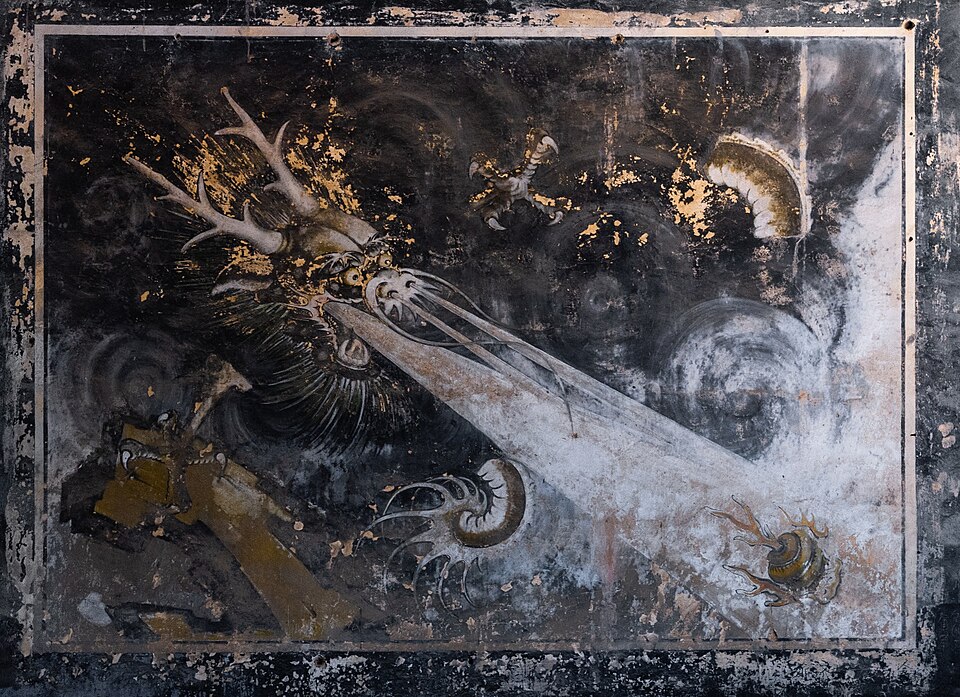
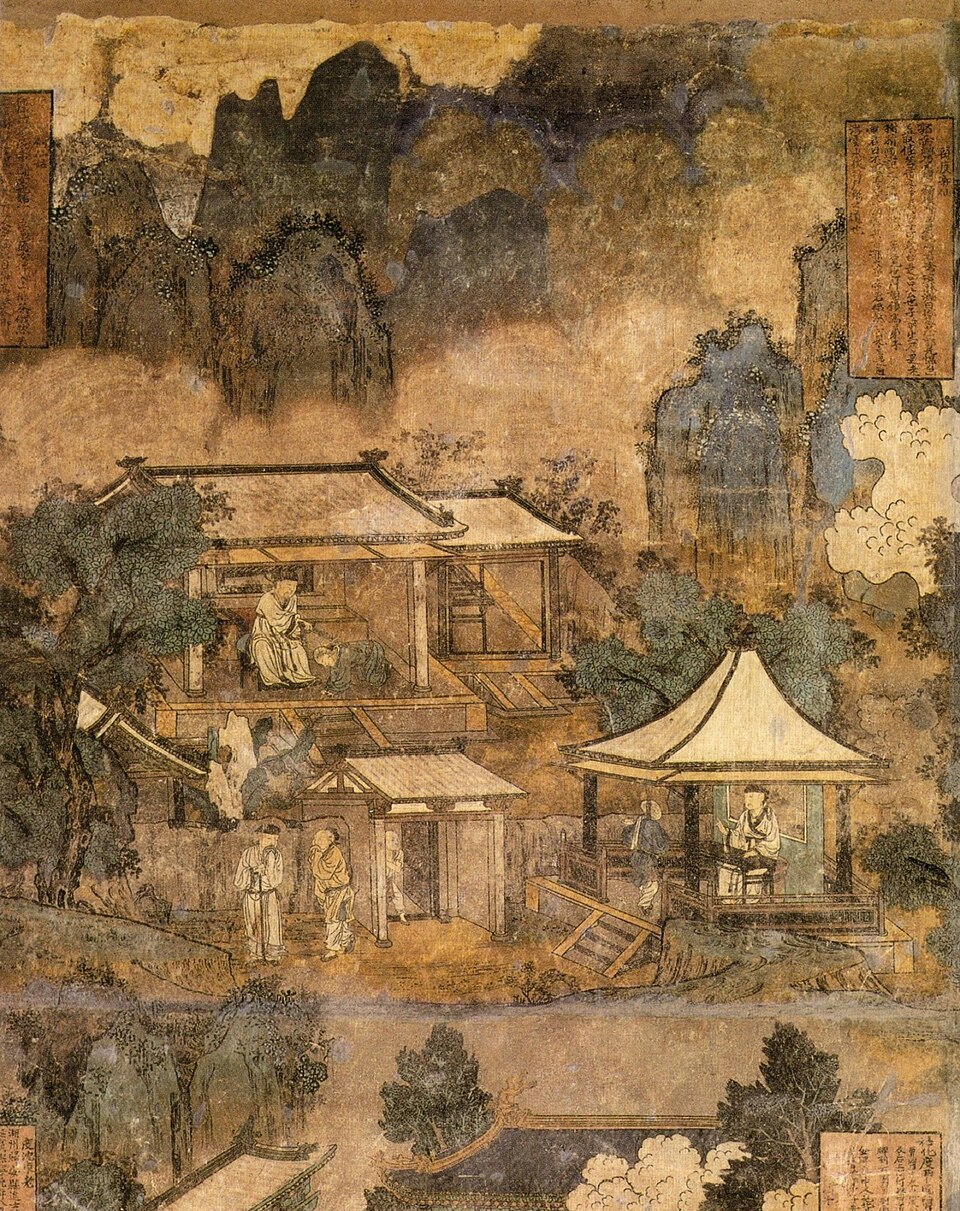
- 永乐宫(芮城县)— 元代道教宫观,殿内壁画是中国古代壁画的巅峰之作,面积1000余平方米,精美绝伦Yongle Palace (Ruicheng) — Yuan Dynasty Taoist temple with 1,000+ m² of murals — the pinnacle of Chinese ancient mural art
- 运城盐池(盐湖区)— 世界三大硫酸钠型内陆盐湖之一,开采历史超过4000年,是"中国死海"Yuncheng Salt Lake (Yanhu) — One of the world's three major sodium sulfate inland salt lakes, harvested for 4,000+ years — "China's Dead Sea"
🎭 非物质文化遗产🎭 Intangible Cultural Heritage
- 蒲州梆子(蒲剧) — 山西四大梆子中历史最悠久的一支,被认为是所有梆子戏的鼻祖Puzhou Bangzi (Pu Opera) — The oldest of Shanxi's four Bangzi operas, considered the ancestor of all Bangzi opera
- 关公信俗 — 关公文化的核心传承地,关帝庙会、关公祭祀等活动延续千年Guan Yu Folk Customs — Core of Guan Yu culture with temple fairs and rituals continuing for millennia
- 绛州鼓乐 — 新绛县的传统鼓乐艺术,气势磅礴,2006年列入国家级非遗Jiangzhou Drum Music — Xinjiang County's traditional drum art, grand and powerful. National heritage since 2006
盐湖区盐湖区 Yanhu District
📜 历史沿革📜 History
盐湖区是运城市的政治、经济中心,因运城盐池而得名。运城盐池(又称河东盐池)是中国最古老的盐产地,开采历史超过4000年,尧舜时期就已开始晒盐。这里也是关羽的故乡——关羽字云长,河东解州(今解州镇)人。面积1,237平方公里,人口约93万。Yanhu District is Yuncheng's center, named after the Salt Lake. The lake is China's oldest salt source, harvested for 4,000+ years since the era of Yao and Shun. Also the homeland of Guan Yu — the legendary general was born in Jiezhou (now Jiezhou Town). Area: 1,237 km², population: ~930,000.
🏛️ 人文景观🏛️ Cultural Sites
- 解州关帝庙 — 全国规模最大的关帝庙,始建于隋开皇九年(589年),占地22万平方米,被誉为"武庙之祖""关庙之首"。春秋楼内有关羽夜读《春秋》的塑像Jiezhou Guan Yu Temple — China's largest Guan Yu temple, founded in 589 AD, covering 220,000m². Called "Ancestor of Martial Temples." The Spring-Autumn Tower houses a statue of Guan Yu reading by night
- 运城盐池 — 面积132平方公里,夏季湖水因藻类变化呈现五彩斑斓的色彩,被称为"中国死海"。盐池文化是华夏文明的重要源头之一Yuncheng Salt Lake — 132 km², displaying rainbow colors in summer due to algae — "China's Dead Sea." Salt Lake culture is a key source of Chinese civilization
- 池神庙 — 祭祀盐池之神的庙宇,体现了古人对盐池的尊崇Pool God Temple — Temple worshipping the Salt Lake deity, reflecting ancient reverence for the salt source
🍜 特色美食🍜 Local Cuisine
- 运城大盘鸡 — 运城人的宴客名菜,大块鸡肉炖土豆配宽面,香辣过瘾Yuncheng Big Plate Chicken — A feast dish of chicken chunks, potatoes, and wide noodles — spicy and satisfying
- 羊肉泡馍 — 运城靠近陕西,羊肉泡馍深受当地人喜爱Lamb Bread Soup — Yuncheng borders Shaanxi, and lamb-soaked bread is a beloved local comfort food
临猗县临猗县 Linyi County
📜 历史沿革📜 History
临猗县由临晋和猗氏两县合并而成。战国时期大商人猗顿曾在此致富,被尊为"中国商祖"之一。临猗是中国苹果种植第一大县,年产苹果超过80万吨。面积1,339平方公里,人口约48万。Linyi County was formed by merging Linjin and Yishi counties. Warring States merchant Yidun made his fortune here — one of "China's Merchant Ancestors." China's #1 apple-producing county with 800,000+ tons annually. Area: 1,339 km², population: ~480,000.
🏛️ 人文景观🏛️ Cultural Sites
- 猗顿墓 — 战国商人猗顿的墓葬,是研究先秦商业文化的重要遗址Yidun's Tomb — Warring States merchant Yidun's burial site, important for studying pre-Qin commercial culture
- 临猗双塔 — 宋代双塔并立,造型优美Linyi Twin Pagodas — Song Dynasty twin pagodas standing side by side, elegantly designed
🍜 特色美食🍜 Local Cuisine
- 临猗苹果 — 全国产量第一!酥脆多汁,甜度高,远销海外Linyi Apples — China's #1 producer! Crispy, juicy, and sweet, exported worldwide
- 临猗冬枣 — 皮薄脆甜的优质冬枣,近年来成为新的致富果Linyi Winter Dates — Premium thin-skinned, crispy-sweet winter dates — a recent hit crop
万荣县万荣县 Wanrong County
📜 历史沿革📜 History
万荣县因万泉、荣河两县合并而得名。这里有中国最早的祭祀后土(大地之母)的庙宇——后土祠,历代帝王曾多次在此举行大祭。万荣人以幽默著称,被称为"中国笑话之乡"。面积1,080平方公里,人口约36万。Wanrong was formed by merging Wanquan and Ronghe counties. Home to China's earliest Earth Mother (Houtu) shrine where emperors performed grand sacrifices. Wanrong people are famously humorous — "China's Joke Town." Area: 1,080 km², population: ~360,000.
🏛️ 人文景观🏛️ Cultural Sites
- 后土祠 — 中国现存最早的祭祀后土的庙宇,位于黄河岸边,汉武帝曾六次到此祭祀,并写下千古名篇《秋风辞》Houtu Shrine — China's earliest Earth Mother temple on the Yellow River bank. Emperor Wu of Han visited six times and composed the immortal "Autumn Wind Ode" here
- 孤峰山 — 万荣地标,山上有法云寺等古迹Gufeng Mountain — Wanrong's landmark with Fayun Temple and other historic sites
🍜 特色美食🍜 Local Cuisine
- 万荣凉粉 — 万荣最受欢迎的街头小吃,绿豆粉制成,浇上各种调料Wanrong Cold Noodles — Most popular street food, mung bean starch with various toppings
闻喜县闻喜县 Wenxi County
📜 历史沿革📜 History
闻喜县因汉武帝在此"闻南越大捷之喜"而改名,原名桐乡。闻喜是中国历史上最显赫的家族之一——裴氏家族的故里,裴氏在历史上出了59位宰相、59位大将军,堪称"宰相村"。面积1,167平方公里,人口约36万。Wenxi was renamed when Emperor Wu of Han "heard the joyful news" of victory over South Yue here. Home to the Pei clan — one of China's most prestigious families, producing 59 prime ministers and 59 generals — the "Village of Prime Ministers." Area: 1,167 km², population: ~360,000.
🏛️ 人文景观🏛️ Cultural Sites
- 裴柏村(宰相村) — 裴氏家族聚居地,裴氏祠堂保存完好。一个村出59位宰相,天下奇闻Peibai Village (Prime Minister Village) — Pei clan ancestral home. 59 prime ministers from one village — unprecedented in history
- 汤王山 — 相传商汤在此祈雨,山上有汤王庙遗址Tang King Mountain — Where Shang Dynasty King Tang reportedly prayed for rain, with temple ruins
🍜 特色美食🍜 Local Cuisine
- 闻喜煮饼 — 闻喜最著名的特产!并非"煮"出来的饼,而是油炸面食,外裹芝麻糖衣,内里酥软,有300多年历史,是山西省的传统名点Wenxi "Boiled Cake" — Despite the name, it's fried! Sesame-sugar-coated pastry, crispy outside and soft inside. 300+ years of history — a Shanxi traditional delicacy
- 闻喜花馍 — 国家级非遗!将面团塑造成龙凤、花鸟等造型,色彩斑斓,既是食品又是艺术品Wenxi Flower Buns — National heritage! Dough sculpted into dragons, phoenixes, flowers — both food and art
稷山县稷山县 Jishan County
📜 历史沿革📜 History
稷山县因上古时期后稷在此教民稼穑而得名——后稷是中国农耕文明的始祖。稷山板枣是国家地理标志产品,已有数千年栽培历史。面积680平方公里,人口约32万。Jishan is named after Houji who taught people farming here — Houji is the ancestor of Chinese agriculture. Jishan Plate Dates are a national geographic product with millennia of cultivation. Area: 680 km², population: ~320,000.
🏛️ 人文景观🏛️ Cultural Sites
- 稷山大佛寺 — 全国重点文物保护单位,寺内有巨大的土雕佛像和精美壁画Jishan Great Buddha Temple — National key relic with massive earthen Buddha statues and fine murals
- 稷王庙 — 祭祀农耕始祖后稷的庙宇,建筑精美Houji Temple — Temple honoring the ancestor of agriculture, with fine architecture
🍜 特色美食🍜 Local Cuisine
- 稷山板枣 — 皮薄肉厚核小,掰开后能看到拉丝如板状,甘甜如蜜,栽培历史超过3000年Jishan Plate Dates — Thin-skinned, thick-fleshed, honey-sweet with "plate-like" strands when broken. Over 3,000 years of cultivation
- 稷山麻花 — 稷山特色面食,酥脆香甜,是当地著名小吃Jishan Fried Dough Twist — Crispy and sweet local specialty
新绛县新绛县 Xinjiang County
📜 历史沿革📜 History
新绛县古称绛州,是国家历史文化名城。绛州鼓乐气势磅礴,曾多次在国际舞台上惊艳亮相。绛守居园池是中国现存最早的官署花园之一。面积600平方公里,人口约28万。Xinjiang, historically Jiangzhou, is a National Historic Cultural City. Jiangzhou Drum Music has amazed international audiences. The Jiang Prefectural Garden is one of China's earliest surviving official gardens. Area: 600 km², population: ~280,000.
🏛️ 人文景观🏛️ Cultural Sites
- 绛守居园池 — 中国现存最早的官署花园之一,始建于隋代,唐代大诗人樊宗师曾作《绛守居园池记》Jiang Prefectural Garden — One of China's earliest surviving official gardens, from the Sui Dynasty
- 龙兴寺 — 唐代古寺,塔高40余米,是新绛古城的标志Longxing Temple — Tang Dynasty temple with a 40m+ pagoda, landmark of the ancient city
🍜 特色美食🍜 Local Cuisine
- 新绛蒸饭 — 用糯米和红枣蒸制的甜食,是当地节庆必备Xinjiang Steamed Sweet Rice — Glutinous rice with dates, essential for local celebrations
绛县绛县 Jiangxian County
📜 历史沿革📜 History
绛县是春秋时期晋国的古都之一,"绛"即来源于晋国都城"绛"。绛县近年以大樱桃种植闻名,成为北方重要的樱桃产地。面积968平方公里,人口约23万。Jiangxian was an ancient capital of the Jin state in the Spring and Autumn period. Recently famous for cherry cultivation, becoming a major northern cherry producer. Area: 968 km², population: ~230,000.
🏛️ 人文景观🏛️ Cultural Sites
- 太阴寺 — 全国重点文物保护单位,保存有珍贵的金代木雕和壁画Taiyin Temple — National key relic with precious Jin Dynasty wood carvings and murals
- 晋国古都遗址 — 春秋晋国都城遗址,出土了大量珍贵文物Jin State Capital Ruins — Spring and Autumn era capital ruins with abundant archaeological finds
🍜 特色美食🍜 Local Cuisine
- 绛县大樱桃 — 个大色红味甜,是绛县农业的新名片Jiangxian Cherries — Large, red, and sweet — Jiangxian's new agricultural star
- 绛县山楂 — 当地优质山楂,酸甜可口,制成山楂片远近闻名Jiangxian Hawthorn — Premium local hawthorn, sweet-sour, famous dried slices
垣曲县垣曲县 Yuanqu County
📜 历史沿革📜 History
垣曲县位于运城市东南角,中条山腹地。境内历山是舜帝耕作之地。1994年在垣曲发现的"世纪曙猿"化石,把类人猿出现的时间向前推进了1000万年,改写了人类进化史。面积1,620平方公里,人口约20万。Yuanqu is in southeastern Yuncheng in the Zhongtiao Mountains. Lishan is where Emperor Shun farmed. The 1994 discovery of the "Dawn Ape" fossil here pushed primate origins back 10 million years, rewriting human evolution. Area: 1,620 km², population: ~200,000.
🏛️ 人文景观🏛️ Cultural Sites
- 历山 — 舜帝躬耕之地,国家自然保护区,保存有华北地区罕见的原始森林Lishan Mountain — Where Emperor Shun farmed. National nature reserve with rare North China primeval forest
- 世纪曙猿化石产地 — 改写人类进化史的重大发现地Dawn Ape Fossil Site — Where the history-changing primate fossil was discovered
🍜 特色美食🍜 Local Cuisine
- 垣曲菜疙瘩 — 用野菜和面粉做成的疙瘩汤,山区特色美食Yuanqu Vegetable Dumpling Soup — Wild vegetable and flour dumpling soup — mountain specialty
夏县夏县 Xiaxian County
📜 历史沿革📜 History
夏县因"夏朝"而得名——大禹建立夏朝时定都安邑(今夏县一带),这里是中国第一个王朝的发源地。嫘祖(黄帝之妻)相传在此教民养蚕缫丝。北宋名臣司马光(《资治通鉴》作者)也是夏县人。面积1,352平方公里,人口约29万。Xiaxian is named after the Xia Dynasty — Emperor Yu founded China's first dynasty with capital at Anyi (present-day Xiaxian area). Leizu (Yellow Emperor's wife) reportedly taught silkworm farming here. Song Dynasty historian Sima Guang (author of "Comprehensive Mirror") was also from here. Area: 1,352 km², population: ~290,000.
🏛️ 人文景观🏛️ Cultural Sites
- 禹王城遗址 — 相传为大禹所建安邑城遗址,面积13平方公里,是先秦时期最大的城址之一Yu King City Ruins — Believed to be Emperor Yu's Anyi capital, covering 13 km² — one of the largest pre-Qin city sites
- 司马温公祠 — 北宋名臣司马光的祠堂和墓园,全国重点文物保护单位Sima Guang's Shrine — Shrine and cemetery of the Song historian, national key cultural relic
🍜 特色美食🍜 Local Cuisine
- 夏县馍 — 当地传统白面馍,口感暄软,麦香浓郁Xiaxian Steamed Bread — Traditional wheat bread, fluffy and fragrant
平陆县平陆县 Pinglu County
📜 历史沿革📜 History
平陆县位于黄河北岸,与河南三门峡市隔河相望。每年冬季,数千只白天鹅从西伯利亚飞来此地越冬,"黄河天鹅湖"美名远播。平陆也是殷商名相傅说的故里。当地独特的"地窨院"(地坑院)被称为"中国最神奇的民居"。面积1,173平方公里,人口约21万。Pinglu sits on the Yellow River's north bank opposite Sanmenxia, Henan. Every winter, thousands of white swans fly from Siberia to overwinter — the famous "Yellow River Swan Lake." Home of Shang Dynasty minister Fu Yue. The unique "underground courtyard" dwellings are called "China's most magical homes." Area: 1,173 km², population: ~210,000.
🏛️ 人文景观🏛️ Cultural Sites
- 黄河天鹅湖 — 每年11月至次年3月,数千只大天鹅在此越冬栖息,白色天鹅与黄色河水交相辉映,美不胜收Yellow River Swan Lake — Nov to Mar, thousands of swans overwinter here. White swans against the yellow river — stunningly beautiful
- 地窨院 — 在平坦的黄土地上向下挖掘形成的四合院式民居,从地面上几乎看不到,被称为"地下的四合院""看不见的村庄"Underground Courtyard — Dugout courtyard homes carved into flat loess ground, nearly invisible from above — "underground siheyuan" and "invisible villages"
🍜 特色美食🍜 Local Cuisine
- 平陆百合 — 当地特产百合,质地洁白,口感甘甜绵软Pinglu Lily Bulbs — Local specialty, white and sweet with soft texture
芮城县芮城县 Ruicheng County
📜 历史沿革📜 History
芮城县位于运城市最南端,黄河北岸。永乐宫(原名大纯阳万寿宫)是元代全真教三大祖庭之一,殿内壁画是中国古代壁画的巅峰之作。西侯度遗址发现了180万年前的人类用火痕迹,是中国境内已知最古老的旧石器文化遗址。面积1,161平方公里,人口约34万。Ruicheng sits at Yuncheng's southernmost tip on the Yellow River's north bank. Yongle Palace is one of three ancestral temples of Yuan Dynasty Complete Perfection Taoism — its murals are the pinnacle of Chinese ancient mural art. Xihoudu Site shows 1.8-million-year-old evidence of human fire use — China's earliest known human activity site. Area: 1,161 km², population: ~340,000.
🏛️ 人文景观🏛️ Cultural Sites
- 永乐宫 — 全国重点文物保护单位。三清殿内《朝元图》壁画面积403平方米,绘有290多个神仙人物,线条流畅,色彩瑰丽,是中国古代壁画中面积最大、艺术价值最高的作品之一。1958-1966年因修建三门峡水库,整座宫殿被成功迁移至现址Yongle Palace — National key relic. The Sanqing Hall's "Pilgrimage" mural covers 403 m² with 290+ immortal figures — one of the largest and finest ancient murals in China. The entire palace was successfully relocated during 1958-1966 due to dam construction
- 西侯度遗址 — 180万年前的人类活动遗址,发现了中国最早的人类用火证据Xihoudu Site — 1.8-million-year-old site with China's earliest evidence of human fire use
🍜 特色美食🍜 Local Cuisine
- 芮城麻片 — 芝麻薄片糖果,香脆甜美,是芮城的传统名点Ruicheng Sesame Chips — Thin sesame candy wafers, crispy and sweet — traditional delicacy
- 芮城苹果 — 黄河岸边优质苹果,酥脆多汁Ruicheng Apples — Premium Yellow River-side apples, crispy and juicy
永济市永济市 Yongji City
📜 历史沿革📜 History
永济市古称蒲州,曾是唐代河中府治所,是黄河中游的重要渡口和商贸中心。因王之涣《登鹳雀楼》一诗而闻名于世,"白日依山尽,黄河入海流。欲穷千里目,更上一层楼"是每个中国人都会背的名句。面积1,221平方公里,人口约39万。Yongji, historically Puzhou, was a Tang Dynasty administrative center and key Yellow River crossing. Made immortal by Wang Zhihuan's poem "Ascending the Stork Tower" — "The sun sets behind mountains, the Yellow River flows to the sea. To see a thousand miles further, climb one more floor." Area: 1,221 km², population: ~390,000.
🏛️ 人文景观🏛️ Cultural Sites
- 鹳雀楼 — 中国四大名楼之一,因王之涣名诗而千古流芳。现为2002年重建的仿唐建筑,高73.9米,是四大名楼中最高的Stork Tower — One of China's Four Famous Towers, immortalized by Wang Zhihuan. The 2002 reconstruction stands 73.9m — tallest of the four
- 普救寺 — 因元代戏曲《西厢记》中张生与崔莺莺的爱情故事而闻名天下。寺内莺莺塔有奇妙的回音效果,被称为"蛙鸣塔"Pujiu Temple — Famous for the love story of Zhang Sheng and Cui Yingying from the Yuan opera "Romance of the Western Chamber." Its Yingying Tower has a magical echo effect — "Frog Call Tower"
- 蒲津渡铁牛 — 唐开元年间铸造的四尊大铁牛和铁人,用于固定黄河上的浮桥,是目前已知最大的唐代铁铸文物Pujin Ferry Iron Bulls — Four massive Tang Dynasty (Kaiyuan era) iron bulls and figures that anchored a Yellow River pontoon bridge — the largest known Tang iron castings
🍜 特色美食🍜 Local Cuisine
- 永济饺子 — 永济的饺子在运城最有名,皮薄馅大,花样繁多Yongji Dumplings — Yuncheng's most famous dumplings — thin skin, generous filling, many varieties
- 扯面 — 手工扯制的宽面条,配上肉臊子和醋,是永济的家常主食Hand-Pulled Wide Noodles — Hand-stretched wide noodles with meat sauce and vinegar — Yongji's daily staple
河津市河津市 Hejin City
📜 历史沿革📜 History
河津市因地处黄河津渡而得名。境内的龙门(禹门口)是大禹治水的传说发生地,也是"鲤鱼跳龙门"典故的出处——黄河在此穿越吕梁山形成峡谷,激流汹涌。唐初名将薛仁贵即为河津人。河津也是山西重要的铝工业基地。面积593平方公里,人口约39万。Hejin is named for its Yellow River crossing. The Dragon Gate (Yumen Pass) is where Emperor Yu tamed the floods — origin of the "Carp Leaping Over the Dragon Gate" legend. Tang general Xue Rengui was from here. Also a major aluminum industry base. Area: 593 km², population: ~390,000.
🏛️ 人文景观🏛️ Cultural Sites
- 龙门(禹门口) — 黄河穿越吕梁山的壮观峡谷,"鲤鱼跳龙门"的发源地。大禹在此开凿龙门,疏导黄河,是中国治水文明的象征Dragon Gate (Yumen Pass) — Where the Yellow River cuts through the Lvliang Mountains. Origin of "Carp Leaping Over the Dragon Gate." Emperor Yu carved the gate to tame the river — symbol of Chinese water management civilization
- 薛仁贵故里 — 唐初名将薛仁贵的出生地,有薛仁贵寒窑和纪念遗迹Xue Rengui's Hometown — Birthplace of the Tang general, with his humble cave dwelling and memorial sites
🍜 特色美食🍜 Local Cuisine
- 河津芝麻糖 — 河津传统糖果,芝麻香脆,甜而不腻Hejin Sesame Candy — Traditional sesame candy, crispy and sweet
- 河津猪卷子 — 猪肉裹面蒸制后切片的独特面食,是河津宴席的特色菜Hejin Pork Rolls — Unique steamed pork-wrapped rolls sliced and served — a Hejin banquet specialty