太原市行政区划图Administrative Map of Taiyuan
🏆 国家5A级景区🏆 National AAAAA Scenic Spots
- 晋祠(晋源区)— 中国现存最早的皇家祭祀园林,始建于西周,为纪念晋国开国诸侯唐叔虞而建。圣母殿、鱼沼飞梁、侍女像为"晋祠三绝"。2011年评为5A景区Jinci Temple (Jinyuan District) — China's earliest surviving royal sacrificial garden, founded in the Western Zhou to honor Tang Shuyu, founder of the Jin state. The Holy Mother Hall, Fish Pond Flying Bridge, and Maid Statues are the "Three Treasures of Jinci." Rated AAAAA in 2011
🎭 非物质文化遗产🎭 Intangible Cultural Heritage
国家级National
- 太原锣鼓 — 气势恢宏的民间打击乐,太原社火的核心,以"花敲干打"技法闻名,2008年列入国家级非遗Taiyuan Drums & Gongs — A magnificent folk percussion tradition at the heart of Taiyuan's Shehuo celebrations, known for "Flower Beat Dry Strike" techniques. National intangible heritage since 2008
- 清徐老陈醋酿制技艺(清徐县)— 山西老陈醋的正宗发源地,酿制技艺传承千年,2006年列入第一批国家级非遗Qingxu Mature Vinegar Brewing (Qingxu County) — The authentic birthplace of Shanxi aged vinegar, with millennium-old brewing techniques. National intangible heritage since 2006
- 晋祠庙会(晋源区)— 始于宋代的大型民俗活动,融合祭祀、演艺、商贸,每年农历七月举办Jinci Temple Fair (Jinyuan District) — A grand folk event since the Song Dynasty blending sacrifice, performance, and trade, held every lunar July
- 太原莲花落 — 太原地方曲艺,说唱结合,以太原方言演绎市井生活,风趣幽默Taiyuan Lianhualo — A local storytelling art combining narration and singing in Taiyuan dialect, depicting urban life with wit and humor
- 风火流星 — 太原独有的民间绝技,表演者将燃烧的铁链舞动成各种花样,被称为"中华一绝"Fenghuo Liuxing (Fire Meteor) — A unique Taiyuan folk stunt where performers spin burning chains into dazzling patterns — called "a wonder of China"
迎泽区迎泽区 Yingze District
📜 历史沿革📜 History
迎泽区因迎泽门(太原古城南门)得名,是太原市的政治、经济、文化中心。太原古城始建于明洪武年间,迎泽区地处古城核心地带。1997年设立迎泽区,辖区内集中了太原最繁华的商业街区和最重要的历史文化遗存。Yingze District is named after Yingze Gate (the southern gate of ancient Taiyuan). It is Taiyuan's political, economic, and cultural center. The ancient Taiyuan city was built in the Ming Hongwu era, and Yingze occupies its core. Established in 1997, it contains Taiyuan's busiest commercial streets and most important historical and cultural sites.
🏛️ 人文景观🏛️ Cultural Sites
- 崇善寺 — 始建于唐代,明代扩建为太原最大寺院,现存大悲殿保存有宋代壁画摹本和珍贵经卷崇善寺 Chongshan Temple — Founded in the Tang Dynasty, expanded in the Ming into Taiyuan's largest temple. The surviving Great Compassion Hall houses Song Dynasty mural copies and precious scriptures
- 迎泽公园 — 太原最大的综合性公园,湖光山色,市民休闲胜地迎泽公园 Yingze Park — Taiyuan's largest comprehensive park with scenic lakes and hills — a beloved recreation spot
- 柳巷 — 太原最古老的商业街,始于明代,至今仍是太原最繁华的购物区柳巷 Liuxiang Street — Taiyuan's oldest commercial street dating from the Ming Dynasty, still the city's busiest shopping district
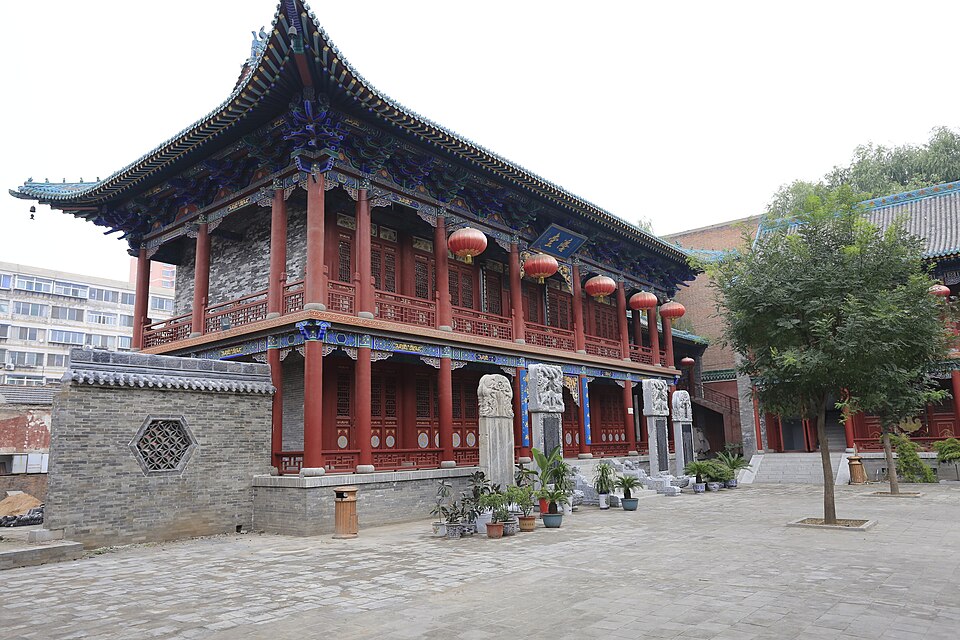
- 文庙 — 太原孔庙,始建于金代,是山西省最大的文庙文庙 Confucius Temple — Taiyuan's Temple of Confucius, founded in the Jin Dynasty — the largest in Shanxi Province
- 纯阳宫 — 始建于元代的道教宫观,现为山西省艺术博物馆纯阳宫 Chunyang Palace — A Taoist temple from the Yuan Dynasty, now the Shanxi Provincial Art Museum
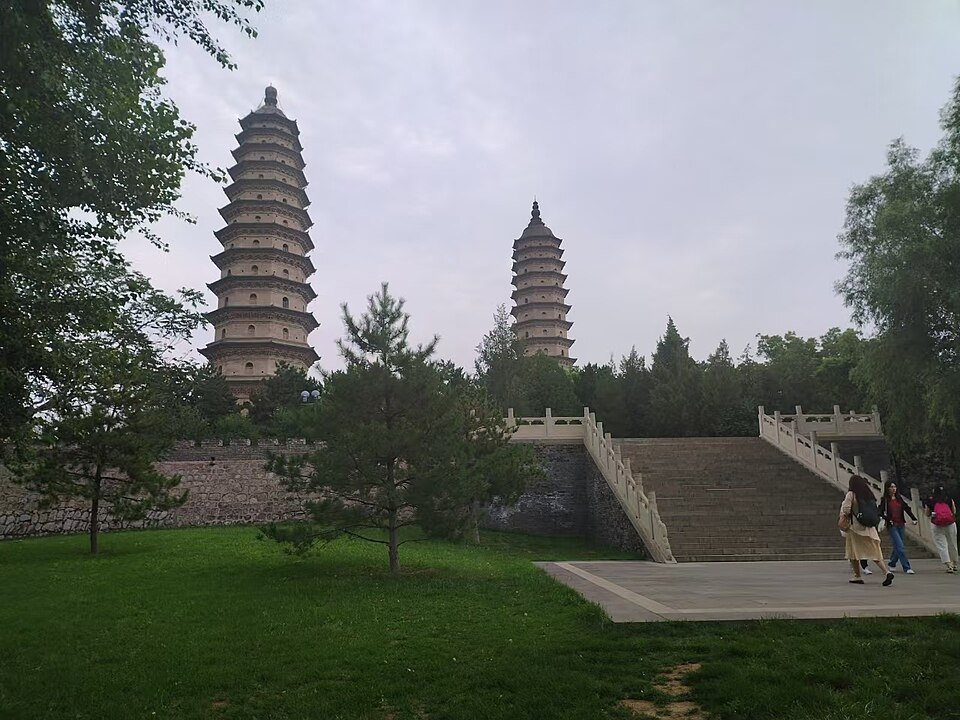
- 双塔寺(永祚寺) — 明万历年间建造的双塔,太原的标志性建筑,被誉为"凌霄双塔"双塔寺 Twin Pagoda Temple (Yongzuo Si) — Twin pagodas built during the Ming Wanli era, Taiyuan's iconic landmark known as the "Sky-Piercing Twin Pagodas"
🍜 特色美食🍜 Local Cuisine
- 太原头脑 — 太原最具代表性的早餐!由明末清初傅山先生发明,以羊肉、莲藕、山药、黄芪等八味药食同源食材熬制,名为"八珍汤",配腌韭菜和烧麦,冬天来一碗暖到骨头里太原头脑 Taiyuan "Tounao" Soup — Taiyuan's most iconic breakfast! Invented by scholar Fu Shan in the late Ming, it's an "Eight Treasures Soup" of lamb, lotus root, yam, astragalus, and more. Served with pickled chives and shaomai — a soul-warming winter bowl
- 打卤面 — 太原人的家常面食,鸡蛋木耳黄花菜做卤,浇在手擀面上,百吃不厌打卤面 Dalu Noodles — A Taiyuan home-style staple: thick gravy of egg, wood ear, and daylily poured over hand-rolled noodles — never gets old
- 羊杂割 — 和大同一样,太原人也爱羊杂,但太原版更清淡,配烧饼是标配羊杂割 Lamb Offal Soup — Like Datong, Taiyuan loves lamb offal soup, but the Taiyuan version is lighter, paired with sesame flatbread
- 柳巷灌肠 — 荞面蒸制切块,蘸蒜醋汁,是柳巷街头最经典的小吃柳巷灌肠 Liuxiang Guanchang — Steamed buckwheat cakes sliced and dipped in garlic-vinegar sauce — the quintessential Liuxiang street snack
🎭 文化特色🎭 Culture
迎泽区是太原文化的集大成者,太原莲花落、太原锣鼓等非遗项目都在此活跃。双塔寺是太原的城市象征,柳巷见证了太原数百年的商业繁华。每年的太原国际马拉松赛途经迎泽大街,展示龙城风貌。Yingze District is the cultural culmination of Taiyuan. Intangible heritage like Taiyuan Lianhualo and Taiyuan Drums are active here. The Twin Pagodas symbolize the city, while Liuxiang has witnessed centuries of commercial prosperity. The annual Taiyuan International Marathon runs along Yingze Avenue, showcasing the Dragon City.
🚗 交通出行🚗 Transportation
- 太原站 — 太原市中心火车站,石太线、同蒲线交汇,可达全国各地Taiyuan Station — Central railway station at the junction of Shitai and Tongpu lines, connecting nationwide
- 太原南站 — 高铁站(位于小店区),大西高铁、石太客专,2.5小时到北京、2小时到西安Taiyuan South HSR — (in Xiaodian) Daxi & Shitai HSR lines, 2.5h to Beijing, 2h to Xi'an
- 地铁2号线 — 纵贯迎泽区南北,设有迎泽大街站等站点Metro Line 2 — Runs north-south through Yingze, with Yingze Avenue Station
- 公交枢纽 — 太原公交网络密集,多条线路经过迎泽区Bus Network — Dense bus network with multiple routes through Yingze
杏花岭区杏花岭区 Xinghualing District
📜 历史沿革📜 History
杏花岭区因区内"杏花岭"地名而得名,是太原古城(府城)的核心区域。明清时期太原府署、布政使司衙门均设于此。民国时期阎锡山的督军府也位于辖区内。1997年由原北城区更名为杏花岭区。Xinghualing District is named after the "Apricot Blossom Hill" within its borders. It encompasses the core of ancient Taiyuan (the "Prefecture City"). During the Ming and Qing, the Taiyuan Prefecture Office and Provincial Administration were both here. Yan Xishan's Governor's Mansion in the Republican era was also located here. Renamed from North City District in 1997.
🏛️ 人文景观🏛️ Cultural Sites
- 督军府(山西督军府旧址) — 阎锡山统治山西近40年的权力中心,现为省级文保单位,见证了近代山西政治风云Governor's Mansion (Shanxi Dujun Fu) — Yan Xishan's power center during his nearly 40-year rule of Shanxi, now a provincial heritage site witnessing modern Shanxi political history
- 拱极门(太原古城北门) — 太原古城仅存的城门之一,明代建筑拱极门 Gongji Gate — One of Taiyuan's few surviving ancient city gates, a Ming Dynasty structure
- 唱经楼 — 明代科举宣布录取结果的场所,全国仅存的唱经楼唱经楼 Changjing Tower — Where Ming Dynasty imperial exam results were announced — the only surviving one in China
- 东缉虎营 — 历史文化街区,近代建筑群保存完好东缉虎营 Dongjihying Historic Street — A well-preserved historical and cultural street with modern-era architecture
- 天主教堂 — 始建于清代的哥特式教堂,太原开埠的历史见证Catholic Cathedral — A Gothic church dating from the Qing Dynasty, witness to Taiyuan's opening to the world
🍜 特色美食🍜 Local Cuisine
- 认一力蒸饺 — 始于1930年的清真老字号,羊肉蒸饺是招牌,皮薄馅大汁多,太原美食名片认一力蒸饺 Renyili Steamed Dumplings — A halal institution since 1930. Their lamb steamed dumplings — thin skin, generous filling, rich juice — are a Taiyuan culinary icon
- 鸡蛋醪糟 — 太原街头经典甜品,醪糟煮荷包蛋,甜香暖胃鸡蛋醪糟 Egg & Fermented Rice Soup — A classic Taiyuan sweet: poached eggs in fermented rice wine soup, sweet, fragrant, and stomach-warming
- 丸子汤 — 猪肉丸子配粉条豆腐,是太原人最爱的早餐之一丸子汤 Meatball Soup — Pork meatballs with vermicelli and tofu — one of Taiyuan's favorite breakfasts
🎭 文化特色🎭 Culture
杏花岭区是太原最有历史韵味的城区。督军府见证了山西近代史上最重要的政治人物阎锡山的统治,东缉虎营、上马街等历史街区保存了大量明清至民国建筑。区内府城文化遗存丰富,是了解太原历史的最佳窗口。Xinghualing is Taiyuan's most historically rich district. The Governor's Mansion witnessed Yan Xishan's rule — the most important political figure in modern Shanxi history. Historic streets like Dongjihying and Shangma Street preserve abundant Ming-Qing to Republican architecture. It's the best window into Taiyuan's history.
🚗 交通出行🚗 Transportation
- 地铁2号线 — 设有多个站点覆盖杏花岭区Metro Line 2 — Multiple stations serving Xinghualing
- 公交 — 多条线路经过督军府、拱极门等景点Bus — Multiple routes serve Governor's Mansion, Gongji Gate
- 步行 — 府城历史街区适合步行探索Walking — The old city historic streets are best explored on foot
小店区小店区 Xiaodian District
📜 历史沿革📜 History
小店区位于太原市东南部,历史上是太原的南郊农业区。隋唐时期为晋阳县地。近代以来随着城市南扩,逐渐成为太原城市发展的新引擎。太原高新技术产业开发区、太原经济技术开发区均设在此。太原武宿国际机场也位于辖区内。Xiaodian District lies in southeastern Taiyuan. Historically a southern suburban agricultural area under Jinyang County during the Sui and Tang. With modern southward urban expansion, it has become Taiyuan's new growth engine. Both the Hi-Tech Industrial Development Zone and Economic & Technological Development Zone are located here, along with Taiyuan Wusu International Airport.
🏛️ 人文景观🏛️ Cultural Sites
- 山西博物院 — 山西省最大的综合性博物馆,馆藏"鸟尊"是镇馆之宝,国家一级博物馆山西博物院 Shanxi Museum — Shanxi's largest comprehensive museum. The "Bird Zun" vessel is the star exhibit. A national first-class museum
- 中国煤炭博物馆 — 全国唯一的煤炭主题博物馆,可体验模拟矿井China Coal Museum — China's only coal-themed museum, featuring simulated mine shaft experiences
- 太原武宿机场 — 始建于1939年,是华北重要航空枢纽Taiyuan Wusu Airport — Founded in 1939, a major aviation hub in North China
- 汾河公园(南段) — 汾河景区南延段,生态湿地与城市公园融合Fenhe Park (South Section) — Southern extension of the Fen River scenic area, blending wetlands with urban parkland
🍜 特色美食🍜 Local Cuisine
- 刀削面 — 山西面食之王,太原各区都有,但小店区的面馆密度极高,全聚德、大草原等老店云集刀削面 Knife-Cut Noodles — The king of Shanxi noodles, found everywhere in Taiyuan. Xiaodian has an exceptionally high density of noodle shops with classic old establishments
- 过油肉 — 山西十大名菜之首,猪里脊过油后与蒜薹、木耳同炒,色泽金黄,外脆里嫩过油肉 Guoyourou (Oil-Passed Pork) — Shanxi's #1 famous dish: pork loin flash-fried then stir-fried with garlic scapes and wood ear — golden, crispy outside, tender inside
- 六味斋酱肉 — 始于1738年的老字号,酱猪肉肥而不腻,是太原人过年必备的年货六味斋酱肉 Liuweizhai Braised Meat — A time-honored brand since 1738. Their braised pork is rich yet not greasy — an essential Taiyuan New Year purchase
🎭 文化特色🎭 Culture
小店区是太原现代化建设的缩影,高新技术企业云集,太原南站的建成使其成为太原的交通枢纽。山西博物院收藏了大量三晋文物精品,是了解山西历史文化的必访之地。小店区正从传统郊区向现代化城区快速转型。Xiaodian epitomizes Taiyuan's modernization, with clusters of hi-tech enterprises. The completion of Taiyuan South Station has made it a transportation hub. The Shanxi Museum houses a wealth of Three Jin cultural relics and is a must-visit for understanding Shanxi's history. Xiaodian is rapidly transforming from a suburban area into a modern urban district.
🚗 交通出行🚗 Transportation
- 太原南站 — 高铁枢纽,大西高铁、石太客专,2.5小时到北京Taiyuan South HSR — High-speed rail hub, 2.5h to Beijing
- 太原武宿机场 — 通航全国各大城市及部分国际航线Taiyuan Wusu Airport — Flights to major Chinese cities and select international routes
- 地铁2号线 — 南端设站,连接市中心Metro Line 2 — Southern stations connecting to city center
- 高速公路 — 太旧高速、太长高速起点Expressways — Starting point of Taijiu and Taichang expressways
尖草坪区尖草坪区 Jiancaoping District
📜 历史沿革📜 History
尖草坪区位于太原市北部,因辖区内"尖草坪"村而得名。1997年由原北郊区更名。历史上这里是太原的北郊农业区和工矿区,太原钢铁集团(太钢)的建设使其成为中国重要的不锈钢生产基地。Jiancaoping District is in northern Taiyuan, named after "Jiancaoping" village. Renamed from North Suburb District in 1997. Historically a northern suburban agricultural and mining area, the establishment of Taiyuan Iron & Steel Group (TISCO) transformed it into one of China's most important stainless steel production bases.
🏛️ 人文景观🏛️ Cultural Sites
- 多福寺 — 建于宋代,寺内明代壁画精美,是太原北山的重要寺院多福寺 Duofu Temple — Built in the Song Dynasty with exquisite Ming murals, a major temple in Taiyuan's northern mountains
- 窦大夫祠 — 纪念春秋时期晋国大夫窦鸣犊的祠堂,是太原现存最古老的祠堂之一窦大夫祠 Dou Dafu Shrine — A shrine honoring Dou Mingdu, a Jin state official of the Spring and Autumn period — one of Taiyuan's oldest surviving shrines
- 中华傅山园 — 纪念明末清初思想家、书法家傅山的主题园区中华傅山园 Fu Shan Memorial Park — A themed park honoring late Ming/early Qing thinker and calligrapher Fu Shan
- 汾河二库 — 汾河峡谷中的水利工程,两岸山色秀美,是太原近郊的热门休闲去处汾河二库 Fenhe No.2 Reservoir — A hydraulic project in the Fen River gorge with beautiful mountain scenery — a popular getaway near Taiyuan
🍜 特色美食🍜 Local Cuisine
- 太钢食堂菜 — 太钢几代工人的集体记忆,大锅菜、焖面、炒饼,朴实但管饱,是太原工业文化的味道TISCO Canteen Food — Collective memory of generations of steelworkers: big-pot dishes, braised noodles, stir-fried flatbread — simple but filling, the taste of Taiyuan's industrial culture
- 碗托 — 荞面蒸成碗状,脱模切条蘸辣椒醋汁,Q弹爽滑碗托 Wantuo (Bowl-Shaped Buckwheat Cake) — Buckwheat steamed in bowls, unmolded, sliced and dipped in chili-vinegar — springy and smooth
- 擦尖 — 用铁擦子将面团擦成短小尖状,配卤汁,是晋中北地区的传统面食擦尖 Cajian (Grated Noodles) — Dough grated through an iron grater into short pointed pieces, served with sauce — a traditional noodle of central-north Shanxi
🎭 文化特色🎭 Culture
尖草坪区是太原工业文化的代表。太钢集团始建于1934年,是全球最大的不锈钢企业之一,"手撕钢"(0.02mm超薄不锈钢)世界领先。同时,区内的傅山文化资源丰富,傅山先生是太原最著名的历史文化名人之一,其"宁拙毋巧、宁丑毋媚"的书法美学影响深远。Jiancaoping represents Taiyuan's industrial culture. TISCO, founded in 1934, is one of the world's largest stainless steel producers — their "hand-tearable steel" (0.02mm ultra-thin stainless steel) leads globally. Meanwhile, the district is rich in Fu Shan cultural resources. Fu Shan is one of Taiyuan's most famous historical figures, whose calligraphy aesthetic of "prefer clumsiness over cleverness, prefer plainness over flattery" has had a lasting influence.
🚗 交通出行🚗 Transportation
- 公交 — 多条线路连接市中心Bus — Multiple routes to city center
- 二广高速 — G55设有出入口,北通忻州、大同G55 Expressway — North to Xinzhou and Datong
- 汾河二库 — 沿滨河路北行约30公里可达Fenhe No.2 Reservoir — ~30km north along Binhe Road
万柏林区万柏林区 Wanbailin District
📜 历史沿革📜 History
万柏林区位于太原市西部,汾河西岸,因辖区内万柏林村得名。1997年由原河西区更名。西部紧邻西山,历史上是太原的煤炭开采区。近年来随着西山生态修复工程的推进,西山正从"黑山"变为"绿山",成为太原的生态后花园。Wanbailin District lies on the west bank of the Fen River, named after Wanbailin village. Renamed from Hexi District in 1997. Adjacent to the Western Mountains, it was historically a coal mining area. In recent years, the West Mountain Ecological Restoration project has transformed the "Black Mountain" into a "Green Mountain" — Taiyuan's ecological backyard.
🏛️ 人文景观🏛️ Cultural Sites
- 太原植物园 — 2020年开园的现代化植物园,三个巨型穹顶温室成为太原新地标Taiyuan Botanical Garden — A modern botanical garden opened in 2020, with three giant dome greenhouses as Taiyuan's new landmark
- 西山万亩生态园 — 曾经的采煤沉陷区变身城市绿肺,是太原生态修复的典范West Mountain Ecological Park — Former coal mining subsidence areas transformed into an urban green lung — a model of ecological restoration
- 玉泉山城郊森林公园 — 西山最美的城郊公园之一,登高远眺太原全景Yuquan Mountain Forest Park — One of the most scenic suburban parks in the West Mountains, offering panoramic views of Taiyuan
- 汾河景区(西岸段) — 汾河公园西岸段,骑行、散步的好去处Fen River Scenic Area (West Bank) — The west bank section of Fenhe Park, great for cycling and walking
🍜 特色美食🍜 Local Cuisine
- 剔尖 — 山西面食经典之一,用筷子沿碗边剔出,中间圆两头尖,浇上西红柿鸡蛋卤,家常味十足剔尖 Tijian (Flicked Noodles) — A Shanxi noodle classic: dough flicked off a bowl edge with chopsticks, round in the middle and pointed at both ends. Topped with tomato-egg sauce — pure home cooking
- 烧麦 — 太原的烧麦和呼和浩特一脉相承,皮薄如纸,羊肉大葱馅,汁水充盈烧麦 Shaomai — Taiyuan's shaomai shares heritage with Hohhot's, with paper-thin wrappers, lamb-scallion filling, and abundant juice
- 栲栳栳 — 莜面卷成指状蒸熟,蘸肉卤或酸菜汤,是晋北风味在太原的延续栲栳栳 Kaolaolao (Oat Noodle Rolls) — Oat flour rolled into finger shapes and steamed, dipped in meat sauce or sauerkraut soup — northern Shanxi flavor in Taiyuan
🎭 文化特色🎭 Culture
万柏林区的西山生态修复是太原城市转型的缩影。曾经灰蒙蒙的煤矿区如今郁郁葱葱,太原植物园的三个穹顶成为城市新名片。万柏林区也是太原重要的居住区,汾河西岸的发展日新月异。Wanbailin's West Mountain restoration epitomizes Taiyuan's urban transformation. Once gray coal-mining areas are now lush and green. The Botanical Garden's three domes have become a new city icon. Wanbailin is also a major residential area, with rapid development along the Fen River's west bank.
🚗 交通出行🚗 Transportation
- 地铁2号线 — 设有站点连接市区Metro Line 2 — Stations connecting to downtown
- 西山旅游公路 — 连接西山各景区的旅游专线West Mountain Tourist Road — A dedicated route connecting West Mountain scenic spots
- 太古高速 — 连接古交市方向Taigu Expressway — Connects toward Gujiao
晋源区晋源区 Jinyuan District
📜 历史沿革📜 History
晋源区是太原历史的根脉所在。公元前497年晋阳城始建于此,此后晋阳作为赵国初都、北齐别都、北汉国都、唐朝龙兴之地,辉煌了近1500年。公元979年宋太宗赵光义灭北汉后火焚水灌晋阳城,一座千年古城毁于一旦。晋源之名即"晋水之源"。Jinyuan District is the historical root of Taiyuan. Jinyang City was first built here in 497 BC. For nearly 1,500 years, Jinyang served as the early Zhao capital, secondary capital of the Northern Qi, capital of the Northern Han, and birthplace of the Tang Dynasty. In 979 AD, Song Emperor Taizong destroyed it by fire and flood after conquering the Northern Han. "Jinyuan" means "Source of the Jin River."
🏛️ 人文景观🏛️ Cultural Sites
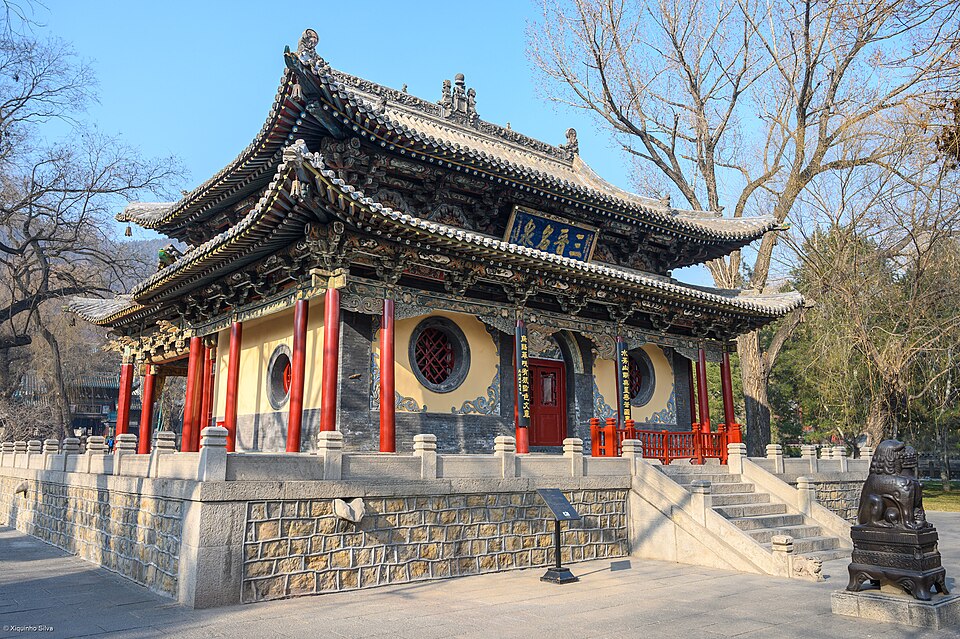
- 晋祠 — 中国现存最早的皇家祭祀园林,始建于西周。圣母殿内43尊宋代侍女像栩栩如生,鱼沼飞梁为国内孤例的十字形古桥,难老泉为晋水之源。国家5A景区晋祠 Jinci Temple — China's earliest royal sacrificial garden, founded in the Western Zhou. The Holy Mother Hall houses 43 lifelike Song Dynasty maid statues. The Fish Pond Flying Bridge is China's only surviving cross-shaped ancient bridge. Nanlao Spring is the source of the Jin River. AAAAA scenic spot
- 晋阳古城遗址 — 全国重点文保单位,考古发掘出北齐、唐代、北汉宫殿遗址,被誉为"中国庞贝"晋阳古城遗址 Jinyang Ancient City Ruins — A national key heritage site. Archaeological excavations have revealed Northern Qi, Tang, and Northern Han palace ruins — called "China's Pompeii"
- 天龙山石窟 — 东魏至唐代开凿的石窟群,以唐代石刻最精美,2021年流失海外佛首回归引发全国关注天龙山石窟 Tianlong Mountain Grottoes — Grottoes carved from the Eastern Wei to Tang dynasties, with the finest Tang stone carvings. The 2021 return of a looted Buddha head drew national attention
- 蒙山大佛 — 北齐开凿的摩崖大佛,比乐山大佛早约154年,曾"消失"600多年后被重新发现蒙山大佛 Mengshan Giant Buddha — A cliff-carved Buddha from the Northern Qi, 154 years older than the Leshan Giant Buddha. "Disappeared" for over 600 years before rediscovery
- 太山龙泉寺 — 唐代寺院,2008年出土金棺银椁,内有佛舍利,轰动考古界太山龙泉寺 Taishan Longquan Temple — A Tang Dynasty temple where a golden coffin with silver casket containing Buddha relics was unearthed in 2008, stunning the archaeological world
🍜 特色美食🍜 Local Cuisine
- 晋祠大米 — 晋水灌溉的优质大米,是太原唯一的水稻产区,米粒饱满,口感软糯晋祠大米 Jinci Rice — Premium rice irrigated by Jin River water — Taiyuan's only rice-producing area, plump grains with a soft, sticky texture
- 桂花元宵 — 晋源传统名点,桂花糖馅元宵,正月十五必备桂花元宵 Osmanthus Tangyuan — A traditional Jinyuan delicacy: glutinous rice balls with osmanthus sugar filling, essential for the Lantern Festival
- 太原稍梅(烧麦) — 在晋源当地叫"稍梅",晋祠附近的老店尤其地道太原稍梅 Shaomei (Shaomai) — Locally called "Shaomei" in Jinyuan. Old shops near Jinci are especially authentic
🎭 文化特色🎭 Culture
晋源区是太原文明的发源地。晋祠是中国祠庙建筑的瑰宝,晋阳古城遗址是太原2500年建城史的实物见证。天龙山石窟、蒙山大佛见证了北朝至唐代的佛教盛世。晋祠庙会(国家级非遗)、晋源水稻文化则体现了悠久的农耕传统。这里是太原的"根"与"魂"。Jinyuan is the cradle of Taiyuan's civilization. Jinci Temple is a gem of Chinese ancestral temple architecture. The Jinyang Ancient City ruins are tangible proof of 2,500 years of urban history. Tianlong Mountain Grottoes and Mengshan Giant Buddha witness the Buddhist golden age from the Northern Dynasties to the Tang. The Jinci Temple Fair (national intangible heritage) and Jinyuan rice culture reflect age-old farming traditions. This is Taiyuan's "root" and "soul."
🚗 交通出行🚗 Transportation
- 公交308路 — 市区直达晋祠景区Bus 308 — Direct from downtown to Jinci Temple
- 旅游专线 — 旺季有晋祠、天龙山旅游巴士Tourist Shuttle — Seasonal buses to Jinci and Tianlong Mountain
- 自驾 — 距市中心约25公里,沿晋祠路约40分钟By Car — ~25km from downtown, ~40min via Jinci Road
清徐县清徐县 Qingxu County
📜 历史沿革📜 History
清徐县位于太原市南部,因清源、徐沟二县合并而得名。清徐酿醋历史可追溯到春秋时期,有3000多年的酿造史,被誉为"中国醋都"。同时,清徐也是全国著名的葡萄产区,葡萄种植历史超过千年。Qingxu County lies south of Taiyuan, named from the merger of Qingyuan and Xugou counties. Its vinegar-making history dates back to the Spring and Autumn period — over 3,000 years — earning it the title "China's Vinegar Capital." It's also a nationally renowned grape-growing region with over 1,000 years of viticulture.
🏛️ 人文景观🏛️ Cultural Sites
- 山西老陈醋博物馆(东湖醋园) — 展示山西老陈醋的酿造全过程,可品尝不同年份的陈醋,是了解醋文化的绝佳去处Shanxi Aged Vinegar Museum (Donghu Vinegar Garden) — Showcases the entire vinegar-making process with tastings of different vintages — the ultimate vinegar culture experience
- 宝源老醋坊 — 明清风格的醋文化体验馆,再现传统手工酿醋场景宝源老醋坊 Baoyuan Old Vinegar Workshop — A Ming-Qing style vinegar culture experience center recreating traditional hand-crafted vinegar making
- 清徐葡萄采摘园 — 每年八九月葡萄成熟季,游客可亲手采摘品尝Qingxu Grape Picking Gardens — During the August-September harvest, visitors can pick and taste grapes fresh from the vine
- 清泉寺 — 始建于元代的古寺清泉寺 Qingquan Temple — An ancient temple dating from the Yuan Dynasty
🍜 特色美食🍜 Local Cuisine
- 山西老陈醋 — 清徐是正宗产地!以高粱为主料,经蒸、酵、熏、淋、陈五大工序酿造,越陈越香,酸香绵醇,"绵、酸、香、甜、鲜"五味调和山西老陈醋 Shanxi Aged Vinegar — Qingxu is the authentic origin! Made from sorghum through five steps: steaming, fermenting, smoking, draining, and aging. The longer it ages, the better — mellow, sour, fragrant, sweet, and umami in harmony
- 清徐灌肠 — 荞面灌肠蘸醋汁,本地出的醋配本地的灌肠,天作之合清徐灌肠 Qingxu Guanchang — Buckwheat cakes dipped in local vinegar — local vinegar meets local guanchang, a match made in heaven
- 清徐葡萄 — 品种繁多,龙眼葡萄最负盛名,皮薄肉厚汁甜,也是酿制葡萄酒的上佳原料清徐葡萄 Qingxu Grapes — Numerous varieties, with "Dragon Eye" grapes being the most famous — thin skin, thick flesh, sweet juice, and excellent for winemaking
- 孟封饼 — 清徐孟封镇名产,油酥烤制,酥脆香甜,是山西十大名饼之一孟封饼 Mengfeng Biscuit — A specialty of Mengfeng township, baked with lard to flaky, crispy sweetness — one of Shanxi's Ten Famous Biscuits
🎭 文化特色🎭 Culture
清徐是"中国醋都"和"葡萄之乡"的双料名片。山西老陈醋酿造技艺为国家级非遗,其酿造历史贯穿3000年。清徐葡萄种植始于汉代,是中国最早的葡萄产区之一。每年的清徐葡萄采摘节是太原重要的文旅活动。清徐还是"中国民间文化艺术之乡",清徐彩门楼、清徐背铁棍等民间艺术别具特色。Qingxu holds dual fame as "China's Vinegar Capital" and "Grape Homeland." Shanxi aged vinegar brewing is a national intangible heritage spanning 3,000 years. Qingxu grape cultivation began in the Han Dynasty — one of China's earliest wine-grape regions. The annual Grape Harvest Festival is a major Taiyuan cultural tourism event. Qingxu is also a "Chinese Folk Culture Art Hometown" with distinctive folk arts like the Qingxu Iron Rod performances.
🚗 交通出行🚗 Transportation
- 高速 — 太原绕城高速设有清徐出口Expressway — Taiyuan Ring Expressway with Qingxu exit
- 距市区 — 约30公里,驱车约40分钟To Downtown — ~30km, about 40 minutes by car
- 公交 — 城乡公交连接太原市区与清徐Bus — Urban-rural buses connect Taiyuan and Qingxu
阳曲县阳曲县 Yangqu County
📜 历史沿革📜 History
阳曲县位于太原市北部,是太原的"北大门"。汉置阳曲县,因在阳曲山之南得名,建县历史超过2000年。历史上是太原通往忻州、大同的必经之路,军事和交通地位重要。Yangqu County lies north of Taiyuan as its "Northern Gateway." Established as Yangqu County in the Han Dynasty, named for being south of Yangqu Mountain, with over 2,000 years of county history. Historically the essential route from Taiyuan to Xinzhou and Datong, it held vital military and transportation significance.
🏛️ 人文景观🏛️ Cultural Sites
- 青龙古镇 — 明清商业古镇,依山而建,建筑群呈龙形布局,被誉为"太原的平遥"青龙古镇 Qinglong Ancient Town — A Ming-Qing commercial town built along a hillside in a dragon-shaped layout — called "Taiyuan's Pingyao"
- 不二寺 — 始建于北汉时期的古寺,内有精美的金代彩塑不二寺 Bu'er Temple — An ancient temple from the Northern Han period with exquisite Jin Dynasty painted sculptures
- 黄寨大汖温泉 — 天然温泉度假区,太原近郊的休闲胜地黄寨大汖温泉 Huangzhai Hot Springs — A natural hot spring resort — a popular getaway near Taiyuan
- 三藏寺 — 传说玄奘西行取经途经此地的古寺三藏寺 Sanzang Temple — An ancient temple where Xuanzang is said to have passed on his westward journey
🍜 特色美食🍜 Local Cuisine
- 阳曲小米 — 黄土高原优质小米,口感绵软,熬粥金黄浓稠,营养丰富阳曲小米 Yangqu Millet — Premium millet from the Loess Plateau, soft and flavorful. Porridge turns golden and thick — highly nutritious
- 阳曲白马掌小杂粮 — 莜面、荞面、豆面等小杂粮是阳曲特产,绿色健康阳曲Miscellaneous Grains — Oat flour, buckwheat, pea flour and other small grains are Yangqu specialties — green and healthy
- 疤饼 — 太原北部农村传统面食,因表面有疤痕状花纹得名,酥脆可口疤饼 Ba Bing (Scar Bread) — A traditional flatbread from northern Taiyuan rural areas, named for its scar-like surface pattern — crispy and delicious
🎭 文化特色🎭 Culture
阳曲县是太原最大的县,青龙古镇是其最亮眼的文化名片。古镇始建于明初,因王氏家族经商致富而兴盛,整个建筑群呈龙形布局,龙头、龙身、龙尾分明,独具匠心。阳曲还是太原重要的生态农业区,小米、杂粮品质上佳。Yangqu is Taiyuan's largest county, with Qinglong Ancient Town as its cultural highlight. Built in the early Ming Dynasty, the town prospered through the Wang family's trading wealth. The entire architectural complex is laid out in a dragon shape — head, body, and tail clearly defined — a masterpiece of design. Yangqu is also an important eco-agricultural area with excellent millet and grains.
🚗 交通出行🚗 Transportation
- 高速 — G55二广高速、太原绕城高速设有出口Expressway — G55 and Taiyuan Ring Expressway with exits
- 距市区 — 约40公里,驱车约50分钟To Downtown — ~40km, about 50 minutes by car
- 青龙古镇 — 沿G108国道可达,有旅游专线Qinglong Town — Accessible via G108, with tourist shuttle
娄烦县娄烦县 Loufan County
📜 历史沿革📜 History
娄烦县位于太原市西北部,因古代楼烦国得名。楼烦是春秋战国时期活跃于此的游牧民族,以精于骑射闻名。赵武灵王"胡服骑射"的灵感部分来源于楼烦人。抗日战争时期,娄烦是晋绥边区的重要革命根据地。Loufan County lies in northwestern Taiyuan, named after the ancient Loufan Kingdom — a nomadic people active here during the Spring and Autumn/Warring States periods, famous for horsemanship and archery. King Wuling of Zhao's "Hufu Qishe" reform was partly inspired by the Loufan people. During the Anti-Japanese War, Loufan was an important revolutionary base of the Jin-Sui Border Region.
🏛️ 人文景观🏛️ Cultural Sites
- 汾河水库 — 山西最大的水库之一,太原市的重要水源地,湖光山色,碧波荡漾汾河水库 Fenhe Reservoir — One of Shanxi's largest reservoirs and a major water source for Taiyuan, with scenic lake views and rippling blue waters
- 高君宇故居 — 中国共产党早期领导人高君宇的故居,全国红色旅游经典景区高君宇故居 Gao Junyu's Former Residence — Home of early CPC leader Gao Junyu — a national red tourism classic site
- 云顶山 — 海拔2708米,太原市最高峰,高山草甸风光壮美云顶山 Yunding Mountain — At 2,708m, Taiyuan's highest peak, with magnificent alpine meadow landscapes
- 国练寺 — 古寺遗址,历史悠久国练寺 Guolian Temple — Ancient temple ruins with deep historical roots
🍜 特色美食🍜 Local Cuisine
- 汾河鱼 — 汾河水库的鲜鱼,水质好鱼味鲜,清炖或红烧都是上品汾河鱼 Fenhe Fish — Fresh fish from the reservoir's clean waters — superb whether clear-stewed or braised in soy
- 娄烦莜面 — 高海拔种植的莜麦品质极佳,莜面栲栳栳、莜面鱼鱼都是地道山味娄烦莜面 Loufan Oat Noodles — High-altitude grown oats of superb quality. Kaolaolao and oat noodle fish are authentic mountain flavors
- 土豆宴 — 娄烦土豆品质优良,土豆丝、土豆饼、炖土豆,花样百出土豆宴 Potato Feast — Loufan potatoes are premium quality. Shredded, pan-fried, stewed — endless creative preparations
🎭 文化特色🎭 Culture
娄烦县是太原的"后花园"和"水缸",汾河水库不仅保障了太原的用水安全,也造就了优美的生态环境。娄烦的红色文化资源丰富,高君宇是中国共产党早期的杰出领导人,其故居是全国爱国主义教育基地。娄烦还保留了丰富的楼烦古国文化遗存。Loufan is Taiyuan's "backyard garden" and "water tank." The Fenhe Reservoir ensures Taiyuan's water security while creating a beautiful ecological environment. Loufan is rich in red culture — Gao Junyu was an outstanding early CPC leader, and his former residence is a national patriotic education base. The county also preserves rich cultural relics of the ancient Loufan Kingdom.
🚗 交通出行🚗 Transportation
- 公路 — G209国道穿境,太佳高速可达Highway — G209 runs through, Taijia Expressway accessible
- 距市区 — 约100公里,驱车约1.5小时To Downtown — ~100km, about 1.5 hours by car
- 自驾 — 经古交市可达,沿途山景优美By Car — Accessible via Gujiao, with beautiful mountain scenery along the way
古交市古交市 Gujiao City
📜 历史沿革📜 History
古交市位于太原市西部,汾河上游,1988年撤县设市。"古交"之名源于古代交城的简称。古交煤炭资源极其丰富,是全国重要的焦煤生产基地,素有"焦煤之都"之称。近年来积极推进资源型城市转型发展。Gujiao City lies in western Taiyuan along the upper Fen River. Upgraded from a county to a city in 1988, its name derives from an abbreviation of ancient Jiaocheng. Extremely rich in coal resources, it is one of China's most important coking coal production bases, known as the "Capital of Coking Coal." In recent years, it has been actively pursuing resource-based city transformation.
🏛️ 人文景观🏛️ Cultural Sites
- 千佛寺 — 始建于唐代的山间古寺,石窟造像精美千佛寺 Qianfo Temple — A Tang Dynasty mountain temple with exquisite grotto carvings
- 狐偃墓 — 春秋时期晋国名臣狐偃(晋文公的舅舅兼首席谋臣)的墓葬狐偃墓 Tomb of Hu Yan — Burial site of Hu Yan, the famous Jin state minister and uncle/chief advisor of Duke Wen of Jin (Spring and Autumn period)
- 古交古城遗址 — 汾河谷地中的古代城址遗存Gujiao Ancient City Ruins — Ancient city remains in the Fen River valley
- 汾河峡谷 — 汾河在古交段形成峡谷地貌,两岸山势雄伟Fenhe Gorge — The Fen River forms a gorge landscape in Gujiao, with majestic mountains on both banks
🍜 特色美食🍜 Local Cuisine
- 抿圪斗 — 豆面、玉米面混合,用特制工具抿入沸水,配山蘑菇卤,是山区人家的家常美食抿圪斗 Mingedou (Pressed Noodle Bits) — Mixed bean and corn flour pressed into boiling water with a special tool, served with wild mushroom sauce — a mountain village home-style meal
- 山蘑菇炖鸡 — 古交山区盛产野生蘑菇,与土鸡同炖,鲜美至极山蘑菇炖鸡 Wild Mushroom Chicken Stew — Gujiao's mountains produce abundant wild mushrooms, stewed with free-range chicken for supreme flavor
- 猪灌肠 — 猪血、荞面制成的风味小吃,蒸熟后切片煎食猪灌肠 Pig Blood Buckwheat Sausage — A local snack of pig blood and buckwheat, steamed then sliced and pan-fried
🎭 文化特色🎭 Culture
古交是典型的因煤而兴的城市,煤炭文化深深融入城市血脉。西山煤电集团总部所在地,几代矿工在这里挥洒汗水,形成了独特的矿区文化。近年来古交积极推进产业转型,发展文旅和生态产业。古交的地理位置使其成为太原通往吕梁、娄烦的重要通道。Gujiao is a classic coal-driven city, with coal culture deeply woven into its urban fabric. As headquarters of Xishan Coal & Electricity Group, generations of miners have forged a unique mining community culture here. In recent years, Gujiao is actively pursuing industrial transformation, developing cultural tourism and ecological industries. Its location makes it a key corridor from Taiyuan to Lüliang and Loufan.
🚗 交通出行🚗 Transportation
- 太古高速 — 连接太原市区,约40分钟车程Taigu Expressway — Connects to Taiyuan downtown, ~40 minutes
- 太古岚铁路 — 铁路连接太原,可达岚县、兴县方向Taigulan Railway — Rail link to Taiyuan, extending to Lan and Xing counties
- 距市区 — 约55公里To Downtown — ~55km