朔州市概览Shuozhou Overview
朔州市行政区划图Administrative Map of Shuozhou
🏆 重要名片🏆 Key Highlights
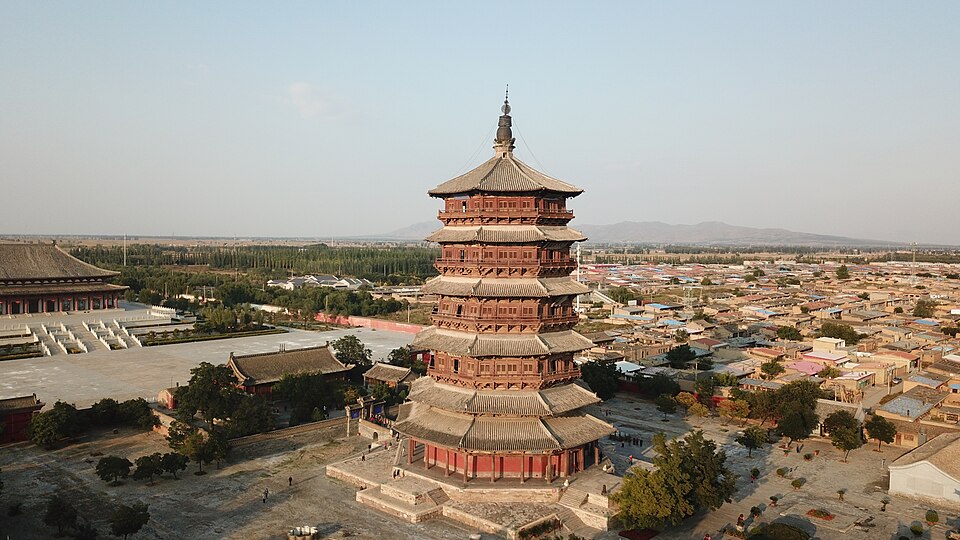
- 应县木塔(释迦塔)(应县)— 建于辽清宁二年(1056年),高67.31米,世界现存最高最古老的纯木结构建筑,与意大利比萨斜塔、巴黎埃菲尔铁塔并称"世界三大奇塔"Yingxian Wooden Pagoda (Yingxian) — Built in 1056, standing 67.31m tall, the world's oldest and tallest purely wooden structure, ranked alongside the Leaning Tower of Pisa and the Eiffel Tower
- 右玉精神(右玉县)— 新中国成立后20任县委书记带领群众70年不间断植树造林,林木覆盖率从0.3%提升到56%,被习近平总书记多次批示Youyu Spirit (Youyu) — 20 successive county leaders led 70 years of continuous afforestation, raising forest coverage from 0.3% to 56%
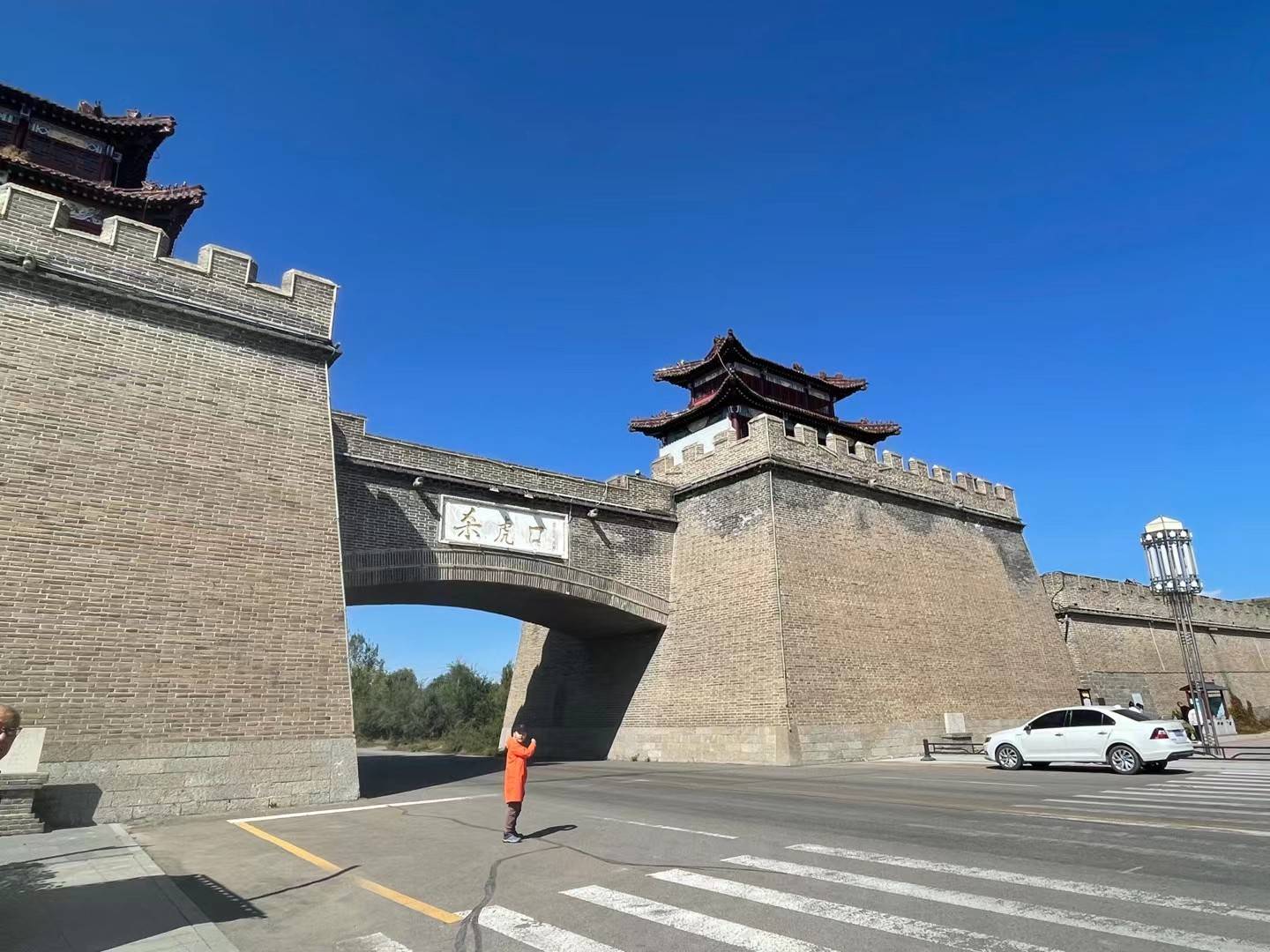
- 杀虎口(右玉县)— 西口古道起点,走西口文化发源地,明清时期重要的边贸关口Shahukou Pass (Youyu) — Starting point of the Western Pass route, origin of the "Journey West" migration culture
- 广武明长城(山阴县)— 中国保存最完整的明长城段之一,雄伟壮观Guangwu Ming Great Wall (Shanyin) — One of China's best-preserved sections of the Ming Great Wall
🎭 非物质文化遗产🎭 Intangible Cultural Heritage
- 朔州秧歌 — 流行于朔城区、平鲁区一带的地方戏曲,腔调高亢激昂,2006年列入国家级非遗Shuozhou Yangge Opera — Local opera popular in Shuocheng and Pinglu, with a bold, passionate style. National intangible heritage since 2006
- 怀仁旺火 — 每年春节期间搭建巨型煤火塔,点燃后火光冲天,祈求来年兴旺,2011年列入国家级非遗Huairen Wanghuo — Giant coal-fire towers built during Spring Festival, lit to pray for prosperity. National intangible heritage since 2011
- 踢鼓秧歌 — 朔州独特的民间舞蹈形式,融合武术与秧歌,粗犷豪放Kick-Drum Yangge — A unique folk dance blending martial arts and yangge, bold and vigorous
朔城区朔城区 Shuocheng District
📜 历史沿革📜 History
朔城区是朔州市的政治、经济、文化中心。这里是秦汉时期马邑城旧址所在地,公元前133年,汉武帝策划了著名的"马邑之谋",企图在此伏击匈奴,虽然计划败露,但标志着西汉对匈奴政策由和亲转向武力反击的重大转折。北齐天保年间始置朔州,此后历代沿用。面积1,793平方公里,人口约57万。Shuocheng District is the political, economic, and cultural center of Shuozhou. This was the site of ancient Mayi City. In 133 BC, Emperor Wu of Han devised the "Mayi Stratagem" to ambush the Xiongnu here — though the plan was exposed, it marked a turning point from appeasement to military confrontation. Area: 1,793 km², population: ~570,000.
🏛️ 人文景观🏛️ Cultural Sites
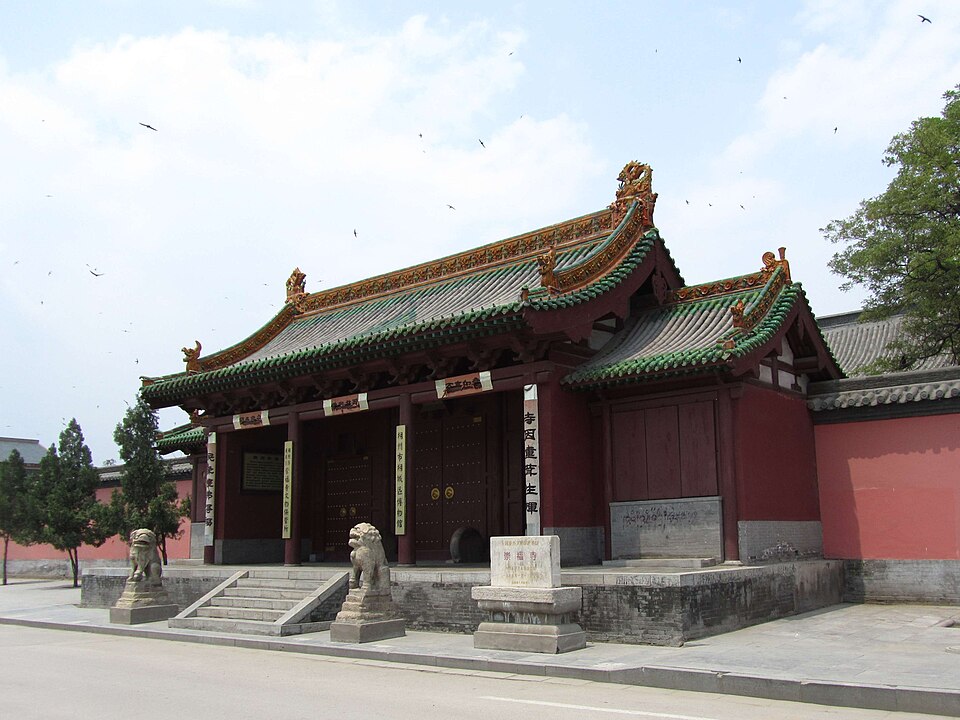
- 崇福寺 — 全国重点文物保护单位,始建于唐代,现存建筑以金代弥陀殿最为珍贵。弥陀殿面阔七间,是国内现存最大的金代佛殿之一,殿内壁画精美绝伦Chongfu Temple — National key cultural relic. Founded in Tang Dynasty, the Jin-era Amitabha Hall is its crown jewel — one of the largest surviving Jin Dynasty Buddhist halls, with exquisite murals
- 神头泉 — 桑干河的重要源头之一,泉水从地下喷涌而出,水量极大,形成神头海,自古有"桑干之源"之称Shentou Spring — A major source of the Sanggan River, with massive underground springs forming Shentou Lake, known since ancient times as "Source of the Sanggan"
- 马邑古城遗址 — 秦汉时期北方军事重镇遗址,"马邑之谋"的历史发生地Mayi Ancient City Ruins — Ruins of the Qin-Han era northern military stronghold, where the famous "Mayi Stratagem" took place
- 峙峪遗址 — 旧石器时代晚期遗址,出土了距今约2.8万年的石器和人类化石,是研究华北旧石器文化的重要遗存Zhiyu Site — Late Paleolithic site with ~28,000-year-old stone tools and human fossils, important for studying North China's Paleolithic culture
🍜 特色美食🍜 Local Cuisine
- 朔州大烩菜 — 朔州人的家常硬菜,白菜、豆腐、粉条、猪肉炖在一起,北方大锅菜的典范Shuozhou Braised Stew — A hearty home-style dish of cabbage, tofu, vermicelli, and pork — classic northern one-pot cooking
- 羊杂割 — 和大同一脉相承,羊杂碎加粉条,冬日里的暖心美食Lamb Offal Soup — Shared tradition with Datong, lamb offal and vermicelli — winter comfort food
- 油炸糕 — 黄米面包裹豆沙馅油炸而成,外酥里糯,是当地节日和待客必备Fried Millet Cake — Yellow millet dough stuffed with red bean paste and deep-fried, crispy outside and chewy inside
平鲁区平鲁区 Pinglu District
📜 历史沿革📜 History
平鲁区原为平鲁县,2018年撤县改区。地处朔州市北部,与内蒙古接壤,自古为边防要地。明代在此修筑大量长城和军事堡垒,至今遗址众多。以煤炭资源闻名,是山西重要的能源基地之一。面积2,314平方公里,人口约15万。Pinglu District was formerly Pinglu County, converted to a district in 2018. Located in northern Shuozhou bordering Inner Mongolia, it has been a frontier defense area since ancient times. The Ming Dynasty built extensive walls and forts here. Known for coal resources. Area: 2,314 km², population: ~150,000.
🏛️ 人文景观🏛️ Cultural Sites
- 明长城遗址 — 平鲁境内保存有大量明代长城遗址,烽火台、敌楼星罗棋布,是研究明代北方边防的重要实物Ming Great Wall Ruins — Extensive Ming Dynasty wall remains with watchtowers and beacon towers scattered throughout
- 北固山 — 平鲁区的标志性山峰,山势雄浑,登顶可俯瞰全城Beigu Mountain — Landmark peak of Pinglu, offering panoramic city views from the summit
- 乌龙洞 — 天然溶洞景观,洞内钟乳石形态各异,颇具观赏价值Wulong Cave — Natural limestone cave with diverse stalactite formations
- 凤凰城镇 — 古边塞军事重镇,因地形似凤凰展翅而得名Fenghuangcheng Town — Ancient frontier military town, named for its phoenix-wing-like terrain
🍜 特色美食🍜 Local Cuisine
- 莜面栲栳栳 — 用莜面卷成筒状蒸制,蘸酸辣汁食用,口感筋道,是平鲁人最爱的面食Oat Noodle Rolls — Rolled oat flour tubes steamed and dipped in sour-spicy sauce — Pinglu's favorite pasta
- 豆面糊糊 — 豌豆面熬制的浓稠糊糊,撒上葱花辣椒,简单却地道Pea Flour Porridge — Thick pea flour porridge topped with scallions and chili — simple but authentic
山阴县山阴县 Shanyin County
📜 历史沿革📜 History
山阴县因位于恒山之阴(北面)而得名,自古为军事要冲。境内的雁门关外广武城是历代兵家必争之地。桑干河从县境中部穿过,灌溉着两岸沃土。面积1,652平方公里,人口约20万。Shanyin County is named for being on the northern (yin) side of Mount Heng. It has been a strategic military location since ancient times. The Sanggan River flows through the county's center. Area: 1,652 km², population: ~200,000.
🏛️ 人文景观🏛️ Cultural Sites
- 广武明长城 — 中国保存最完整的明长城段之一,城墙连绵起伏于山脊之上,敌楼密集,气势恢宏。摄影爱好者的天堂,尤其是日出和雪景时分Guangwu Ming Great Wall — One of China's best-preserved Ming Wall sections, stretching along mountain ridges with dense watchtowers. A photographer's paradise, especially at sunrise and in snow
- 旧广武古城 — 辽金时期所建的完整古城,城墙、城门保存良好,是研究辽金边塞城池的珍贵实物Old Guangwu Ancient City — A complete Liao-Jin era ancient city with well-preserved walls and gates
- 广武汉墓群 — 全国最大的汉代墓群之一,现存封土堆数百座,规模宏大,为全国重点文物保护单位Guangwu Han Tombs — One of China's largest Han Dynasty tomb clusters, with hundreds of burial mounds. National key cultural relic
- 化悲岩寺 — 建于北魏时期的悬崖古寺,依山而建,风景秀丽Huabeiyan Temple — A Northern Wei cliff temple built into the mountainside
🍜 特色美食🍜 Local Cuisine
- 山阴荞面 — 荞麦面做成的各种面食,凉拌或热汤,口感清爽Shanyin Buckwheat Noodles — Various buckwheat noodle dishes, cold or in hot soup
- 烧肉 — 山阴特色卤烧肉,色泽红亮,肥而不腻,是当地宴席必备Braised Pork — Shanyin-style braised pork, glossy red, rich but not greasy — a banquet essential
应县应县 Yingxian County
📜 历史沿革📜 History
应县古称应州,辽代为西京道应州治所,金、元沿置。因拥有举世闻名的应县木塔(释迦塔)而名扬天下。应县地处雁门关外,桑干河上游,自古为农牧交汇之地。面积1,708平方公里,人口约24万。Yingxian, historically called Yingzhou, was an administrative center during the Liao Dynasty. World-famous for the Yingxian Wooden Pagoda (Sakyamuni Pagoda). Located beyond Yanmen Pass at the upper Sanggan River. Area: 1,708 km², population: ~240,000.
🏛️ 人文景观🏛️ Cultural Sites
- 应县木塔(释迦塔) — 建于辽清宁二年(1056年),高67.31米,是世界现存最高、最古老的纯木结构建筑。全塔不用一颗铁钉,纯榫卯结构,历经近千年风雨、地震而屹立不倒,与意大利比萨斜塔、巴黎埃菲尔铁塔并称"世界三大奇塔"。塔内发现辽代珍贵经卷和佛牙舍利Yingxian Wooden Pagoda (Sakyamuni Pagoda) — Built in 1056, standing 67.31m tall, the world's oldest and tallest purely wooden structure. Built entirely with mortise-and-tenon joints without a single iron nail, it has survived nearly 1,000 years of storms and earthquakes. Ranked with the Leaning Tower of Pisa and the Eiffel Tower. Contains precious Liao Dynasty sutras and Buddhist relics
- 净土寺 — 全国重点文物保护单位,金代所建,大殿内的天宫楼阁藻井极为精美,被誉为"金代建筑艺术的杰作"Jingtu Temple — National key cultural relic from the Jin Dynasty. Its heavenly palace caisson ceiling is a masterpiece of Jin-era architectural art
- 殊海寺 — 辽代古寺,保存有珍贵的辽代壁画和建筑构件Shuhai Temple — Liao Dynasty temple with precious murals and architectural elements
🍜 特色美食🍜 Local Cuisine
- 应县凉粉 — 应县最有名的小吃!豌豆粉制成,切成条状,浇上醋、蒜汁、辣椒油、芝麻酱,酸辣鲜香,滑嫩爽口,是当地人和游客的必吃美食Yingxian Cold Starch Noodles — Yingxian's most famous snack! Made from pea starch, cut into strips, dressed with vinegar, garlic, chili oil, and sesame paste — tangy, spicy, silky smooth. A must-eat for locals and visitors
- 应县牛腰 — 并非牛腰肉,而是一种面食!形似牛腰,油炸后外酥内软,是应县独特的传统糕点Yingxian "Beef Waist" — Not actual beef! A waist-shaped fried pastry, crispy outside and soft inside — a unique Yingxian tradition
- 滴溜 — 荞面糊煮制后滴入冷水中成形的面食,配以酸辣汤汁,夏日消暑佳品Diliu Noodles — Buckwheat batter dripped into cold water, served with sour-spicy broth — perfect summer refreshment
右玉县右玉县 Youyu County
📜 历史沿革📜 History
右玉县位于朔州市西北部,地处晋蒙交界,是明清时期"走西口"的重要关口。新中国成立初期,右玉是风沙肆虐的不毛之地,林木覆盖率仅0.3%。此后70年间,20任县委书记一任接一任带领群众植树造林,将林木覆盖率提升到56%,创造了荒漠变绿洲的人间奇迹,被称为"右玉精神",受到习近平总书记多次批示。面积1,964平方公里,人口约9万。Youyu County sits at the Shanxi-Inner Mongolia border, a key gateway of the "Journey West" migration in Ming-Qing times. After 1949, Youyu was barren wasteland with only 0.3% forest coverage. Over 70 years, 20 successive county Party secretaries led afforestation efforts, raising coverage to 56% — a miracle transformation praised by President Xi. Area: 1,964 km², population: ~80,000.
🏛️ 人文景观🏛️ Cultural Sites
- 杀虎口 — 明清时期重要的边贸关口和军事要塞,"走西口"文化的发源地。晋商从这里北上蒙古草原,开辟了繁荣的商贸通道。现存关城、古道等遗迹Shahukou Pass — A vital Ming-Qing border trade and military pass, origin of the "Journey West" migration culture. Shanxi merchants headed north to Mongolian grasslands from here. Ruins of the pass and ancient road remain
- 右玉精神展览馆 — 记录了70年绿化奇迹的历程,展示20任县委书记的坚守故事,是爱国主义教育基地Youyu Spirit Exhibition Hall — Documents the 70-year greening miracle and the persistence of 20 county leaders. A patriotic education base
- 南山森林公园 — 右玉绿化成果的集中展示,苍松翠柏,绿意盎然,完全看不出曾经是荒漠Nanshan Forest Park — Showcase of Youyu's greening achievement — lush forests where desert once stood
- 宝宁寺 — 明代古寺,寺内曾藏有珍贵的水陆画,现部分收藏于山西博物院Baoning Temple — Ming Dynasty temple that once housed precious water-land paintings, some now in Shanxi Museum
🍜 特色美食🍜 Local Cuisine
- 右玉羊肉 — 右玉的招牌!因独特的生态环境和天然牧场,右玉羊肉肉质鲜嫩,无膻味,是国家地理标志产品。手把肉、烤全羊都是一绝Youyu Lamb — Youyu's signature! Thanks to the unique ecology and natural pastures, the lamb is tender without gamey smell. A national geographic indication product. Hand-grabbed meat and whole roast lamb are superb
- 混糖月饼 — 右玉特色糕点,用胡麻油、白糖和面制成,酥脆香甜,中秋时节尤为畅销Mixed-Sugar Mooncake — Local pastry made with hemp oil and sugar, crispy and sweet, especially popular during Mid-Autumn Festival
怀仁市怀仁市 Huairen City
📜 历史沿革📜 History
怀仁市2018年由怀仁县撤县设市,因辽太祖与晋王李克用"怀想仁人"会盟于此而得名。这里是杨家将传说中"金沙滩双龙会"的发生地,充满了忠义悲壮的历史故事。怀仁也是中国北方重要的日用瓷生产基地,被誉为"中国北方日用瓷都"。面积1,230平方公里,人口约35万。Huairen became a county-level city in 2018. Named after the alliance between Liao Emperor Taizu and Jin King Li Keyong — "cherishing the memory of benevolent men." Famous as the site of the Yang Family Generals' "Golden Beach Double Dragon Assembly." Also known as "North China's Daily-Use Ceramics Capital." Area: 1,230 km², population: ~350,000.
🏛️ 人文景观🏛️ Cultural Sites
- 金沙滩古战场 — 杨家将传说中最惨烈的战役发生地。北宋时期杨业(杨令公)率军在此与辽军血战,大郎至七郎或死或伤,令公撞碑殉国。虽然演义成分较多,但此地确为宋辽交战的前线Jinshantan Battlefield — Site of the most tragic battle in Yang Family Generals legend. In the Northern Song, General Yang Ye led his forces against the Liao here. Though partly fictionalized, this was indeed a Song-Liao frontier
- 清凉山 — 怀仁北部的风景名胜区,山上有辽代砖塔遗址,环境清幽Qingliang Mountain — Scenic area in northern Huairen with Liao Dynasty brick pagoda ruins
- 日中城古遗址 — 汉代古城遗址,是研究汉代北方城市的重要实物Rizhongcheng Ruins — Han Dynasty city ruins, important for studying Han-era northern cities
- 怀仁窑 — 怀仁陶瓷生产历史可追溯到辽宋时期,怀仁窑是北方重要的民窑遗址Huairen Kiln — Ceramics production history dating to Liao-Song period, an important northern folk kiln site
🍜 特色美食🍜 Local Cuisine
- 怀仁羊杂 — 怀仁的羊杂在朔州六县区中最有名,汤浓味厚,配上一个烧饼,就是最地道的早餐Huairen Lamb Offal — The most famous lamb offal soup in Shuozhou — rich broth paired with flatbread for the perfect breakfast
- 糖干炉 — 怀仁传统烧饼,圆形中空,撒上芝麻,烤至金黄酥脆,是当地人走亲访友的伴手礼Sugar Dry Oven Bread — Traditional hollow sesame flatbread, baked golden and crispy — the go-to gift when visiting friends and family
- 怀仁肘子 — 整只猪肘卤制,皮酥肉烂,是宴席上的压轴大菜Huairen Braised Pork Knuckle — Whole braised pork knuckle, tender with crispy skin — the showstopper at banquets