大同市行政区划图Administrative Map of Datong
🏆 国家5A级景区🏆 National AAAAA Scenic Spots
- 云冈石窟(云冈区)— 世界文化遗产,北魏皇家石窟群,中国三大石窟之一,现存主要洞窟45个、造像51000余尊。2007年评为5A景区Yungang Grottoes (Yungang District) — UNESCO World Heritage Site, Northern Wei imperial grottoes, one of China's Three Great Grotto Sites with 45 major caves and 51,000+ statues. Rated AAAAA in 2007
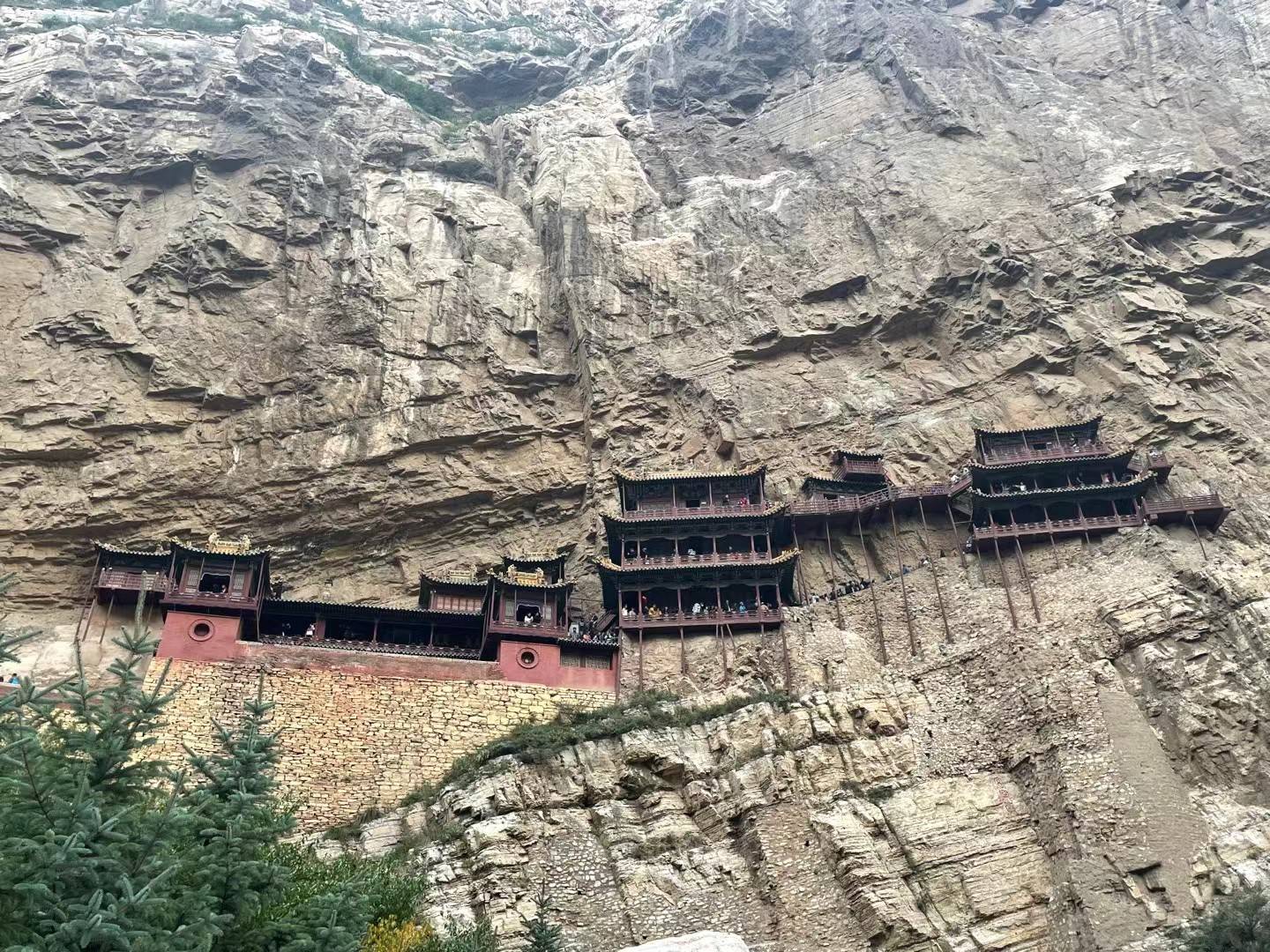
- 北岳恒山 · 悬空寺(浑源县)— 五岳之一,道教圣地。悬空寺建于北魏,悬于翠屏峰峭壁,入选《时代》杂志全球十大奇险建筑。2009年评为5A景区Mount Heng & Hanging Temple (Hunyuan County) — One of China's Five Sacred Mountains. The Hanging Temple clings to a cliff face, listed by TIME among the world's ten most precarious buildings. Rated AAAAA in 2009
🎭 非物质文化遗产🎭 Intangible Cultural Heritage
世界级UNESCO
- 广灵剪纸(广灵县)— 2009年入选联合国教科文组织"人类非物质文化遗产代表作名录",以刀刻染色工艺闻名,被誉为"中华民间艺术一绝"Guangling Paper-Cuts (Guangling County) — Inscribed on UNESCO's Intangible Cultural Heritage list in 2009, known for knife-cut and dye techniques, praised as "a gem of Chinese folk art"
国家级National
- 耍孩儿(平城区)— 又称"咳咳腔",大同独有的地方戏曲,唱腔以咳腔为主,风格粗犷豪放,2006年列入第一批国家级非遗Shuahai'er Opera (Pingcheng) — A local opera unique to Datong with a bold singing style. National intangible heritage since 2006
- 大同铜器制作技艺(平城区/云冈区)— 大同铜器历史可追溯至北魏,火锅、茶壶等手工铜器工艺精湛,2014年列入国家级非遗Datong Copperware Craft (Pingcheng/Yungang) — Exquisite handmade copper hotpots and teapots dating back to the Northern Wei. National intangible heritage since 2014
- 灵丘罗罗腔(灵丘县)— 起源于明末清初的地方戏曲,唱腔婉转细腻,2006年列入第一批国家级非遗Lingqiu Luoluoqiang Opera (Lingqiu County) — A local opera from the late Ming/early Qing with gentle, delicate singing. National intangible heritage since 2006
- 恒山道教音乐(浑源县)— 北岳恒山道教仪式音乐,融合宫廷雅乐与民间俗乐,庄严肃穆Mount Heng Taoist Music (Hunyuan County) — Ritual music blending court ceremonial and folk music traditions
- 大同刀削面制作技艺 — 一把弧形刀削出的面食艺术,中厚边薄、入口外滑内筋,2014年列入省级非遗(正申报国家级)Datong Knife-Cut Noodle Craft — The art of slicing noodles with a curved blade. Provincial intangible heritage since 2014
平城区平城区 Pingcheng District
📜 历史沿革📜 History
平城之名源于北魏,公元398年北魏道武帝拓跋珪迁都平城,开启了近百年的帝都辉煌。此后历经隋唐、辽金、明清,始终是北方军事重镇和政治中心。2018年由原城区更名为平城区。The name Pingcheng originates from the Northern Wei Dynasty. In 398 AD, Emperor Daowu (Tuoba Gui) moved the capital to Pingcheng, beginning nearly a century of imperial glory. Through the Sui, Tang, Liao, Jin, Ming, and Qing dynasties, it remained a key northern military and political center. It was renamed Pingcheng District in 2018.
🏛️ 人文景观🏛️ Cultural Sites
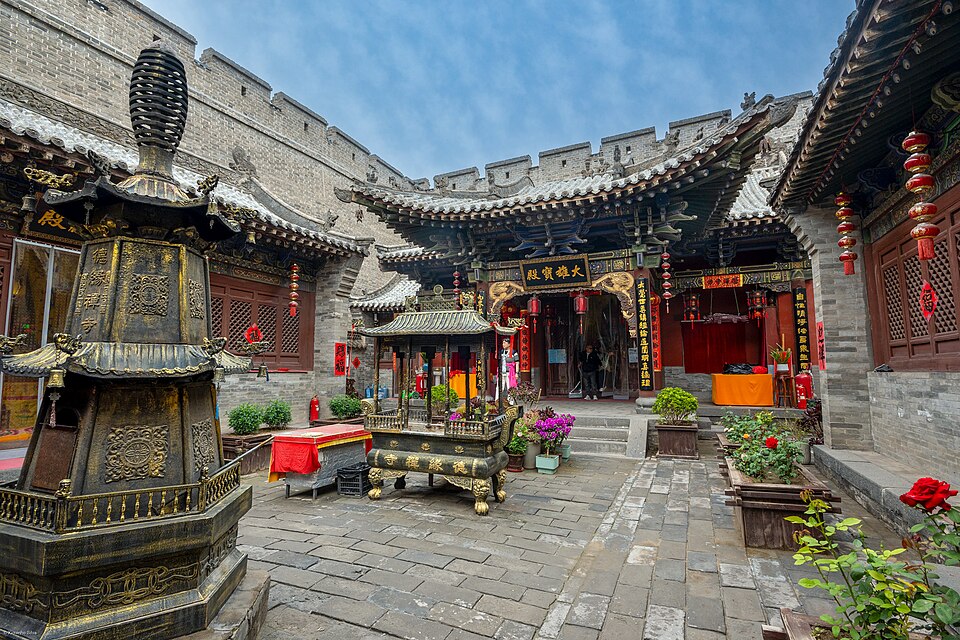
- 华严寺 — 辽金时期皇家寺院,保存有辽代薄伽教藏殿,内有"东方维纳斯"合掌露齿菩萨华严寺 Huayan Temple — A Liao-Jin era imperial monastery housing the Liao Dynasty Bhagavad Scripture Hall, with the famous "Oriental Venus" — a smiling, palms-joined Bodhisattva
- 善化寺 — 全国现存最完整的辽金寺院建筑群,被梁思成誉为"古建瑰宝"善化寺 Shanhua Temple — China's best-preserved Liao-Jin temple complex, praised by architect Liang Sicheng as a "treasure of ancient architecture"
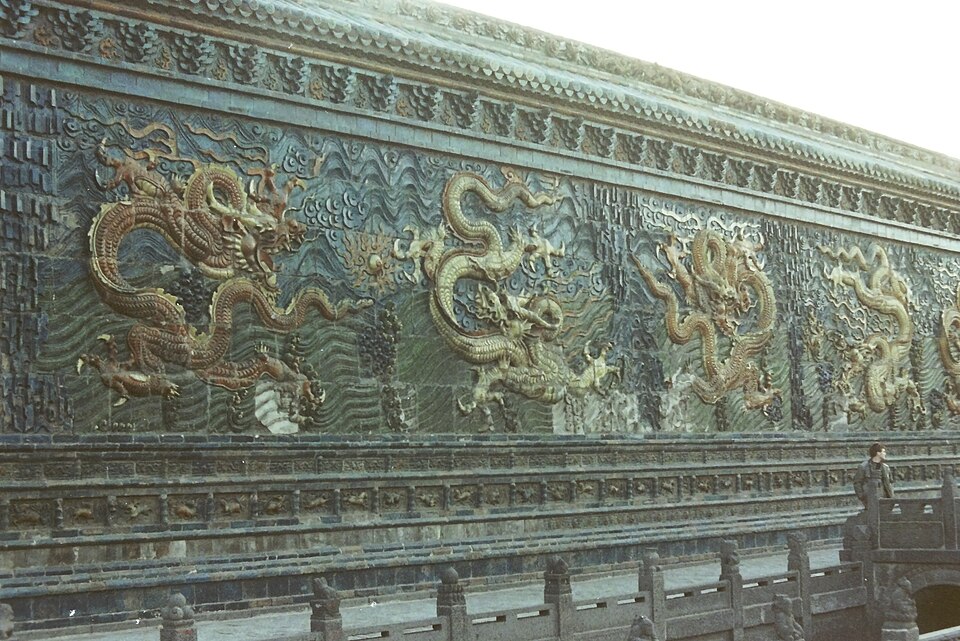
- 九龙壁 — 建于明洪武年间,中国现存最大的九龙壁,比北京故宫九龙壁早300年九龙壁 Nine Dragon Screen — Built during the Ming Hongwu era, China's largest Nine Dragon Screen, predating Beijing's Forbidden City version by 300 years
- 大同古城墙 — 明代大将军徐达所筑,周长7.24公里,是国内保存较好的古城墙大同古城墙 Datong City Wall — Built by Ming General Xu Da, 7.24 km in circumference, one of China's best-preserved ancient city walls
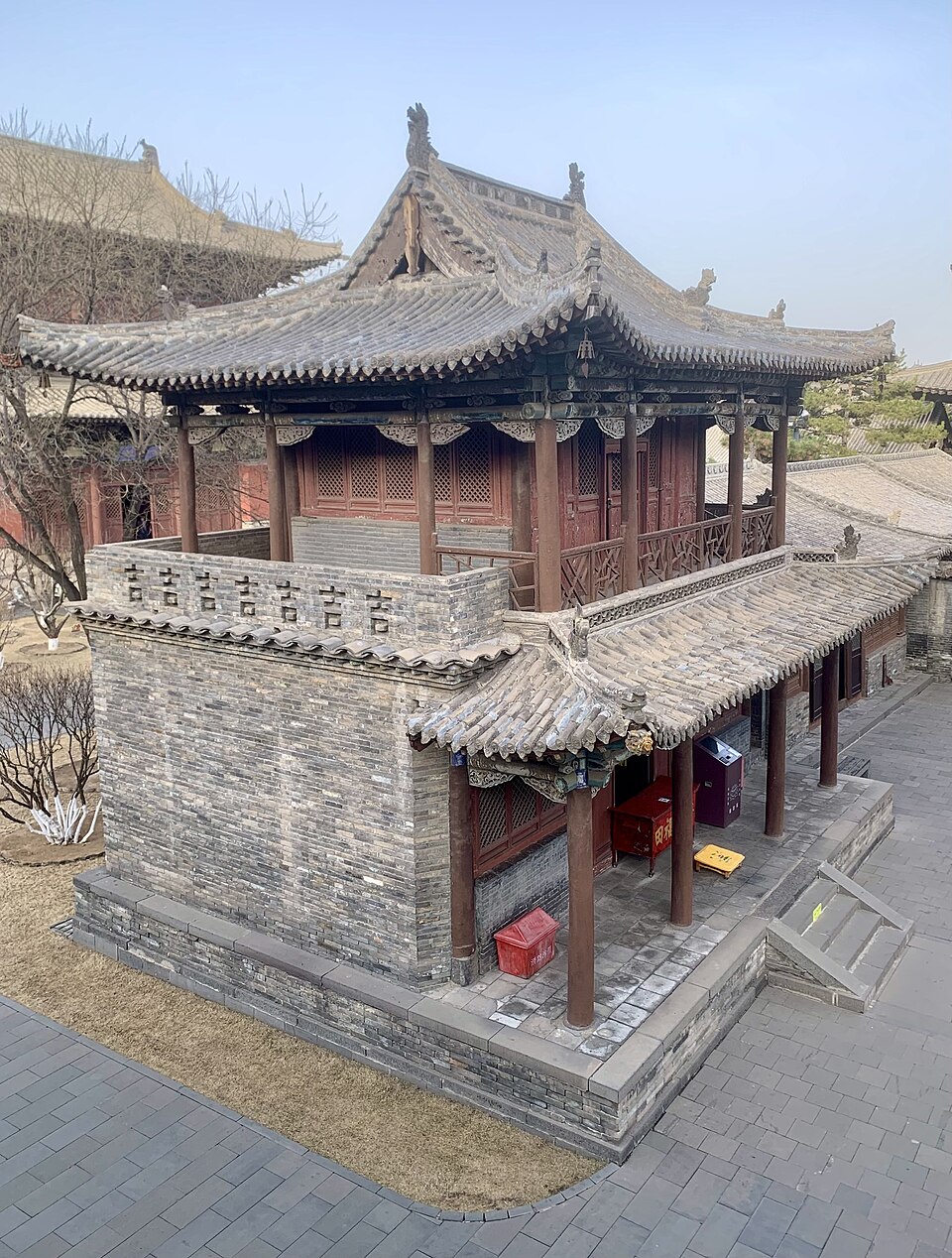
- 关帝庙 — 元代建筑,大殿为元代原构,弥足珍贵关帝庙 Guandi Temple — A Yuan Dynasty structure with its original main hall still intact, exceedingly rare
🍜 特色美食🍜 Local Cuisine
- 大同刀削面 — 大同美食的灵魂!一把弧形削刀,削出的面片中厚边薄,入口外滑内筋,浇上肉臊子,绝了大同刀削面 Datong Knife-Cut Noodles — The soul of Datong cuisine! Sliced with a curved blade, thick in the middle and thin at the edges, silky outside and chewy inside, topped with meat sauce — perfection
- 兔头 — 大同人的深夜食堂标配,卤制入味,啃兔头是大同独特的饮食文化,外地人必须体验兔头 Braised Rabbit Heads — A Datong late-night staple, braised to perfection. Gnawing rabbit heads is a unique local food culture that visitors must try
- 羊杂割 — 羊杂碎加粉条,撒葱花辣椒,冬天来一碗暖到心里,古城内早餐店遍地都是羊杂割 Lamb Offal Soup — Lamb offal with vermicelli, topped with scallions and chili. A bowl in winter warms you to the bone — breakfast shops are everywhere in the old city
- 浑源凉粉 — 虽是浑源名产,但平城区满大街都有,蘸上辣椒油和豆腐干,酸辣爽口浑源凉粉 Hunyuan Cold Starch Noodles — Originally from Hunyuan but found all over Pingcheng, served with chili oil and dried tofu — tangy, spicy, and refreshing
- 黄糕 — 黄米面蒸制,蘸白糖或沾肉菜,大同人的主食之一,软糯香甜黄糕 Steamed Millet Cake — Steamed from yellow millet flour, dipped in sugar or paired with meat dishes. A Datong staple — soft, sticky, and sweet
- 烧麦 — 大同烧麦皮薄馅大,羊肉大葱馅是经典,百花烧麦更是宴席名点烧麦 Shaomai Dumplings — Datong shaomai have thin wrappers and generous filling. Lamb and scallion is the classic; "Hundred Flowers" shaomai is a banquet highlight
🎭 文化特色🎭 Culture
平城区是大同文化的核心承载地,大同铜器、大同剪纸、耍孩儿戏(国家级非遗)都发源于此。大同刀削面更是闻名全国的美食名片。每年的大同云冈文化旅游节在此举办。Pingcheng is the cultural heart of Datong. Datong copperware, paper-cutting, and Shuahai'er Opera (a national intangible heritage) all originate here. Datong knife-cut noodles are a nationally renowned culinary icon. The annual Datong Yungang Cultural Tourism Festival is held here.
🚗 交通出行🚗 Transportation
- 大同站 — 京包铁路、大秦铁路交汇,可达北京、太原、呼和浩特Datong Station — Junction of Beijing-Baotou and Datong-Qinhuangdao lines
- 大同南站 — 大张高铁,2小时直达北京,1.5小时到太原Datong South HSR — High-speed rail, 2h to Beijing, 1.5h to Taiyuan
- 大同云冈机场 — 通航北京、上海、广州、深圳、成都等主要城市Datong Yungang Airport — Flights to Beijing, Shanghai, Guangzhou, Shenzhen, Chengdu
- 公路 — G55二广高速、G59呼北高速交汇,大同绕城高速贯通Highways — G55 & G59 expressways converge, ring expressway connects all
云冈区云冈区 Yungang District
📜 历史沿革📜 History
云冈区因世界文化遗产云冈石窟而得名,2018年由原南郊区、矿区合并设立。历史上这里是北魏京畿要地,也是中国重要的煤炭基地,曾为新中国的建设输送了大量能源。Yungang District is named after the UNESCO World Heritage Yungang Grottoes. Established in 2018 by merging the former Southern Suburb and Mining districts, it was historically a key area near the Northern Wei capital and one of China's most important coal bases, fueling the nation's modern development.
🏛️ 人文景观🏛️ Cultural Sites
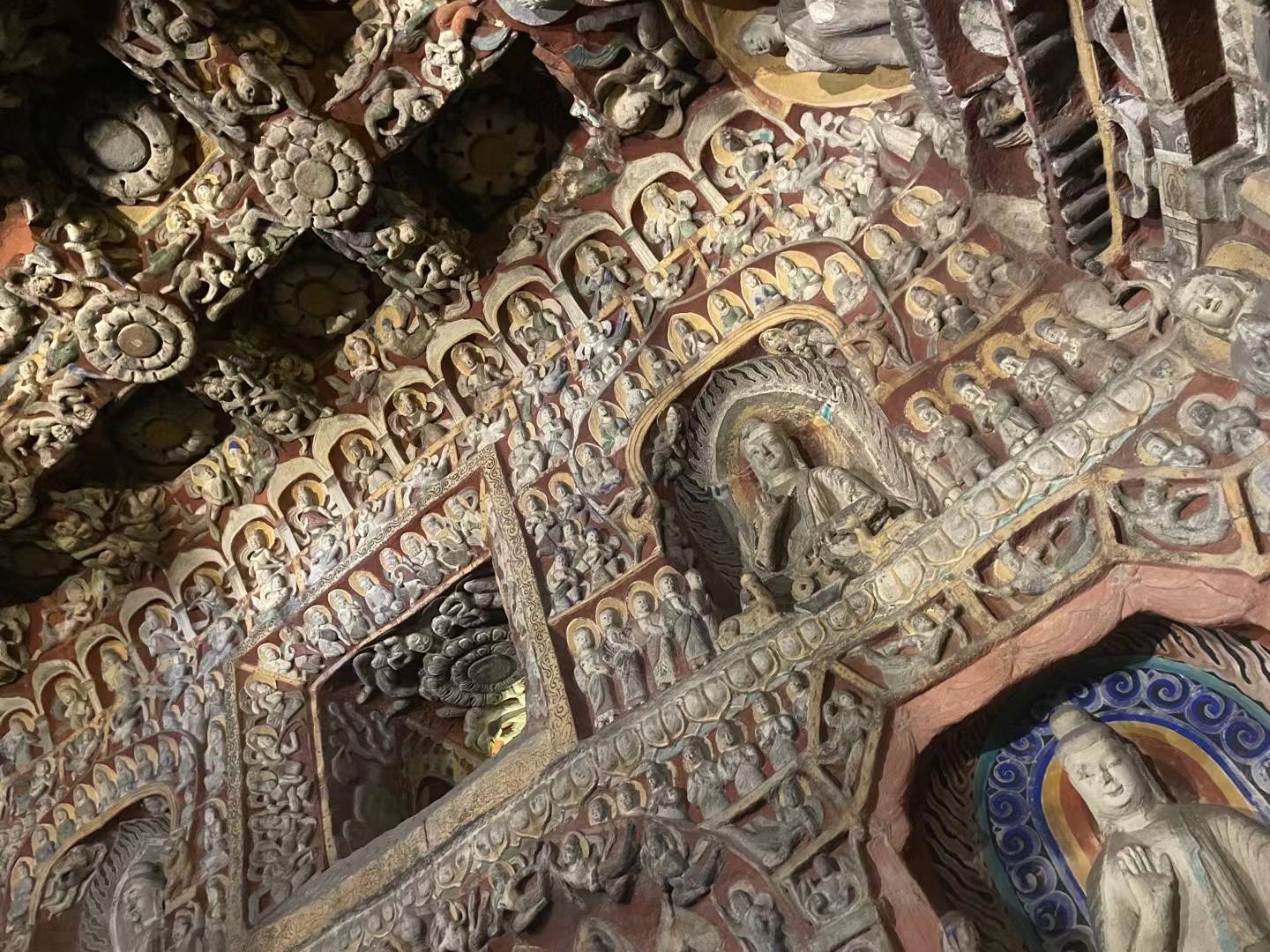
- 云冈石窟 — 世界文化遗产,北魏皇家石窟,现存主要洞窟45个,造像51000余尊,与敦煌莫高窟、洛阳龙门石窟并称"中国三大石窟"云冈石窟 Yungang Grottoes — A UNESCO World Heritage Site and Northern Wei imperial grottoes with 45 major caves and over 51,000 statues, ranked among China's Three Great Grotto Sites alongside Dunhuang and Longmen
- 焦山石窟 — 北魏时期石窟,规模虽小但保存完好焦山石窟 Jiaoshan Grottoes — A Northern Wei era grotto site, small in scale but well-preserved
- 晋华宫国家矿山公园 — 中国首个煤矿主题公园,可深入井下体验煤矿生产晋华宫国家矿山公园 Jinhuagong National Mine Park — China's first coal mine theme park, offering underground tours of actual mine shafts
🍜 特色美食🍜 Local Cuisine
- 矿区焖面 — 矿工文化的产物,豆角肉焖面,一锅出,实在管饱,是几代矿工的家常味道矿区焖面 Miner's Braised Noodles — Born from mining culture: noodles braised with green beans and meat in one pot, hearty and filling — the home-style flavor of generations of miners
- 大同铜火锅 — 涮羊肉配铜火锅是大同传统,云冈区的铜器制作工艺更赋予了火锅文化底蕴大同铜火锅 Datong Copper Hotpot — Lamb hotpot in a copper vessel is a Datong tradition. Yungang's coppersmith heritage adds cultural depth to this culinary experience
- 莜面栲栳栳 — 莜面卷成筒状蒸熟,蘸羊肉蘑菇卤,口感筋道,塞北特色主食莜面栲栳栳 Oat Noodle Rolls (Kaolaolao) — Oat flour rolled into cylinders and steamed, dipped in lamb-mushroom sauce — chewy and satisfying, a signature northern frontier staple
🎭 文化特色🎭 Culture
云冈区兼具北魏皇家文化与近现代煤矿工业文化。云冈石窟的造像艺术融合了印度犍陀罗风格与中原汉式风格,是东西方文化交融的杰作。同时,几代煤矿工人在这里创造了独特的矿区文化。Yungang District blends Northern Wei imperial culture with modern coal mining heritage. The Yungang Grottoes represent a masterpiece of East-West cultural fusion, combining Indian Gandhara style with Chinese Han aesthetics. Meanwhile, generations of coal miners have created a unique mining community culture here.
🚗 交通出行🚗 Transportation
- 公交603路 — 市区直达云冈石窟景区Bus 603 — Direct from downtown to Yungang Grottoes
- 旅游专线 — 旺季有从大同站出发的旅游巴士Tourist Shuttle — Seasonal buses from Datong Railway Station
- 自驾 — 距市区约16公里,沿云冈路西行约30分钟By Car — ~16km west of downtown, ~30min via Yungang Road
云州区云州区 Yunzhou District
📜 历史沿革📜 History
云州区原为大同县,2018年撤县设区。秦汉时为平城县地,北魏为京畿。历史上长期是大同的农业腹地,以种植黄花菜(金针菜)闻名于世,有"中国黄花之乡"的美誉。Yunzhou District was formerly Datong County, upgraded to a district in 2018. Part of Pingcheng County during the Qin and Han dynasties and the capital region during the Northern Wei, it has long been Datong's agricultural heartland, famed for daylily (golden needle) cultivation and known as "China's Daylily Homeland."
🏛️ 人文景观🏛️ Cultural Sites
- 大同火山群 — 中国六大著名火山群之一,30余座火山锥保存完好,距今约2万年,是华北地区唯一保存完好的第四纪火山群大同火山群 Datong Volcanic Cluster — One of China's six famous volcanic groups, with 30+ well-preserved cinder cones dating back ~20,000 years — the only intact Quaternary volcanic field in North China
- 大同土林 — 独特的地质景观,黄土经风雨侵蚀形成千奇百怪的土柱群大同土林 Datong Earth Forest — A unique geological landscape of fantastical loess pillars carved by wind and rain erosion
- 册田水库 — 桑干河上的大型水库,风光秀丽册田水库 Cetian Reservoir — A scenic large reservoir on the Sanggan River
🍜 特色美食🍜 Local Cuisine
- 大同黄花菜 — 云州区的金字招牌,鲜黄花可炒菜,干黄花炖汤,营养丰富被称为"忘忧草"大同黄花菜 Datong Daylily — Yunzhou's signature product. Fresh daylilies are stir-fried; dried ones enrich soups. Highly nutritious, they're called "worry-free grass"
- 小米粥 — 桑干河流域优质小米,熬出来金黄浓稠,米油厚实,是当地人的养生早餐小米粥 Millet Porridge — Premium millet from the Sanggan River valley, simmered into a golden, thick porridge with a rich oil layer — the locals' go-to healthy breakfast
- 豆面糊糊 — 豌豆面熬制的糊状小吃,配油炸麻叶和咸菜,农家风味十足豆面糊糊 Pea Flour Porridge — A thick pea-flour gruel served with fried crackers and pickles — pure farmhouse flavor
🎭 文化特色🎭 Culture
大同黄花是国家地理标志产品,种植历史超过600年,被誉为"观为名花、用为良药、食为佳肴"。2020年习近平总书记考察云州黄花产业,使"大同黄花"进一步闻名全国。当地还保留有丰富的农耕文化和民俗传统。Datong daylily is a nationally protected geographical indication product with over 600 years of cultivation history, praised as "beautiful as a flower, useful as medicine, delicious as a dish." President Xi Jinping's 2020 visit to Yunzhou's daylily industry brought national attention. The area also preserves rich farming culture and folk traditions.
🚗 交通出行🚗 Transportation
- 公路 — G208国道穿境,大同绕城高速设有出口Highway — G208 runs through, exits on Datong Ring Expressway
- 距市区 — 约30公里,驱车40分钟To Downtown — ~30km, about 40 minutes by car
- 公交 — 城乡公交直达云州区Bus — Urban-rural buses connect to Yunzhou
新荣区新荣区 Xinrong District
📜 历史沿革📜 History
新荣区位于大同市北部,地处长城脚下,历史上是中原与游牧民族交汇的前沿地带。明代属大同镇管辖,是九边重镇中大同镇的核心防区。1970年设立新荣区。Xinrong District sits in northern Datong at the foot of the Great Wall, historically the frontline where agrarian China met nomadic peoples. Under the Ming Dynasty's Datong Garrison — the foremost of the Nine Border Fortresses — it was a core defense zone. Xinrong District was established in 1970.
🏛️ 人文景观🏛️ Cultural Sites
- 得胜堡 — 明代重要军事城堡,隆庆和议后成为蒙汉互市重要关口,现存城门、城墙遗址得胜堡 Desheng Fort — A key Ming military fortress that became a major Mongol-Han trading post after the Longqing Peace Treaty. Gate towers and wall ruins remain
- 助马堡 — 明代长城沿线军事城堡,保存较好助马堡 Zhuma Fort — A well-preserved Ming Dynasty military fortress along the Great Wall
- 方山永固陵 — 北魏冯太后永固陵,是北魏帝陵中保存最好的一座方山永固陵 Yonggu Tomb on Fangshan — The mausoleum of Empress Dowager Feng of the Northern Wei, the best-preserved Northern Wei imperial tomb
- 明长城遗址 — 大同段长城穿越全境,墩台、烽火台密布明长城遗址 Ming Great Wall Ruins — The Datong section of the Great Wall traverses the entire district, dotted with watchtowers and beacon towers
🍜 特色美食🍜 Local Cuisine
- 边塞羊肉 — 长城脚下的羊吃的是天然碱草,肉质紧实无膻味,手把肉、烤全羊都是待客硬菜边塞羊肉 Frontier Lamb — Sheep graze on natural alkaline grass at the foot of the Great Wall, yielding firm, gaminess-free meat. Hand-torn lamb and whole roast lamb are the ultimate hospitality dishes
- 拨鱼儿 — 用筷子将面糊拨入锅中,形似小鱼,配浇头,是晋北农家的日常面食拨鱼儿 Fish-Shaped Noodle Flicks (Boyu'er) — Batter flicked into boiling water with chopsticks to form fish-like shapes, served with sauce — a daily farmhouse noodle in northern Shanxi
- 山药粉饺子 — 土豆淀粉做皮,猪肉韭菜馅,晶莹剔透,口感Q弹山药粉饺子 Potato Starch Dumplings — Translucent wrappers made from potato starch, filled with pork and chives — crystal-clear and delightfully chewy
🎭 文化特色🎭 Culture
新荣区是典型的边塞文化区域,数百年来汉族与蒙古族在此交融,形成了独特的边关文化。得胜堡的"马市"是明代北方最重要的贸易市场之一,见证了民族融合的历史。这里的民间社火、边塞民歌别具风格。Xinrong is a classic frontier culture zone where Han and Mongolian peoples have mingled for centuries, forging a unique border culture. The "Horse Market" at Desheng Fort was one of the most important northern trading posts of the Ming Dynasty, witnessing ethnic integration. Local folk performances (Shehuo) and frontier folk songs have a distinctive style.
🚗 交通出行🚗 Transportation
- 公路 — G208国道、S301省道穿越全境Highway — G208 & Provincial Road S301 run through
- 距市区 — 约30公里,驱车约40分钟To Downtown — ~30km, ~40 minutes by car
- 得胜堡 — 沿G208北行或乘班车可达Desheng Fort — North on G208 or by shuttle bus
阳高县阳高县 Yanggao County
📜 历史沿革📜 History
阳高县位于大同市东部,战国时为赵国领地,汉置高柳县,金改名白登县,清改阳高县。1973年在许家窑村发现距今约10万年的古人类化石——"许家窑人",证明这里是远古人类的重要栖息地。Yanggao County lies in eastern Datong. It was Zhao state territory during the Warring States period, became Gaoliu County under the Han, Baideng County under the Jin, and finally Yanggao in the Qing. In 1973, ~100,000-year-old human fossils — "Xujiayao Man" — were discovered here, proving it was an important habitat for ancient humans.
🏛️ 人文景观🏛️ Cultural Sites
- 许家窑人遗址 — 旧石器时代遗址,发现了介于北京猿人和现代人之间的古人类化石许家窑人遗址 Xujiayao Man Site — A Paleolithic site where human fossils intermediate between Peking Man and modern humans were discovered
- 大泉山 — 1955年毛泽东主席为其水土保持经验题写按语,名扬全国大泉山 Daquan Mountain — In 1955, Chairman Mao wrote a commentary praising its soil conservation practices, making it nationally famous
- 云林寺 — 明代寺院,大雄宝殿内壁画精美云林寺 Yunlin Temple — A Ming Dynasty temple with exquisite murals in the main hall
- 守口堡 — 明代长城关堡,历史上多次发生激烈战斗守口堡 Shoukou Fort — A Ming Great Wall garrison that saw numerous fierce battles throughout history
🍜 特色美食🍜 Local Cuisine
- 阳高长城羊肉 — 地理标志产品,草场放牧的绵羊,涮着吃、炖着吃都是一绝阳高长城羊肉 Yanggao Great Wall Lamb — A geographical indication product from pasture-raised sheep — superb whether hotpotted or stewed
- 大接杏 — 阳高招牌水果,个大肉厚汁甜,每年六七月是最佳品尝期大接杏 Dajie Apricots — Yanggao's signature fruit, large, fleshy and sweet. Best enjoyed in June–July
- 圪糊饦 — 杂粮面搓成小卷,煮熟浇卤,是晋北地区独有的面食吃法圪糊饦 Mixed-Grain Noodle Rolls (Gehutuo) — Small rolls of mixed-grain dough boiled and served with sauce — a noodle style unique to northern Shanxi
- 杏脯 — 大接杏加工成的蜜饯,酸甜适口,是阳高著名的伴手礼杏脯 Dried Apricot Preserves — Candied Dajie apricots, sweet and tangy — Yanggao's famous souvenir gift
🎭 文化特色🎭 Culture
阳高是"中国杏果之乡",大接杏、京杏品质上乘。阳高二人台是当地代表性民间艺术,融合了晋蒙两地的表演风格,热情奔放。阳高还以"阳高长城羊肉"闻名,因羊群在长城脚下的天然草场放牧,肉质鲜美。Yanggao is "China's Apricot Homeland," with premium Dajie and Jing apricots. Er'ren'tai (two-person opera) is the representative folk art, blending Shanxi and Mongolian performance styles with passionate flair. Yanggao is also famous for its Great Wall lamb — sheep graze on natural pastures at the foot of the Great Wall, producing exceptionally tender meat.
🚗 交通出行🚗 Transportation
- 铁路 — 京包铁路设有阳高站Railway — Yanggao Station on Beijing-Baotou line
- 高速 — G55二广高速设有阳高出口Expressway — G55 with Yanggao exit
- 距市区 — 约60公里,驱车约1小时To Datong — ~60km, about 1 hour by car
天镇县天镇县 Tianzhen County
📜 历史沿革📜 History
天镇县地处山西最东北角,与河北、内蒙古交界。战国为赵延陵邑,明设天成卫和镇虏卫,清合并为天镇县。自古为兵家必争的边防要地,长城穿境而过。Tianzhen County sits at Shanxi's far northeastern corner, bordering Hebei and Inner Mongolia. It was Zhao's Yanling settlement in the Warring States period, then the Tiancheng and Zhenlu garrisons in the Ming, merged into Tianzhen County in the Qing. A contested border defense site since antiquity, with the Great Wall running through it.
🏛️ 人文景观🏛️ Cultural Sites
- 慈云寺 — 始建于唐代,现存建筑为明代重修,寺内壁画和砖雕精美慈云寺 Ciyun Temple — Founded in the Tang Dynasty, current buildings are Ming restorations, with exquisite murals and brick carvings
- 新平堡 — 明代军事古堡,保存完好,被誉为"活着的古堡"新平堡 Xinping Fort — A well-preserved Ming military fort, praised as "the living ancient fortress"
- 天镇古城 — 明代卫城格局保存较好天镇古城 Tianzhen Old Town — The Ming garrison city layout is well preserved
- 盘山 — 天镇境内名山,寺庙遗址众多盘山 Pan Mountain — A notable mountain in Tianzhen with numerous temple ruins
🍜 特色美食🍜 Local Cuisine
- 天镇凉粉 — 绿豆淀粉制作,配醋、蒜汁、辣椒油,夏天消暑必备,口感比浑源凉粉更滑嫩天镇凉粉 Tianzhen Cold Starch Noodles — Made from mung bean starch with vinegar, garlic sauce, and chili oil — a summer essential, silkier than Hunyuan's version
- 天镇豆腐皮 — 薄如蝉翼,可凉拌可炒制,蛋白质含量高,是当地待客名菜天镇豆腐皮 Tianzhen Tofu Skin — Paper-thin, served cold or stir-fried, high in protein — a prized dish for hosting guests
- 荞面饸饹 — 荞麦面压制而成,配羊肉臊子,粗犷的边塞风味荞面饸饹 Buckwheat Noodles (Hele) — Pressed buckwheat noodles served with lamb sauce — rugged frontier flavor
🎭 文化特色🎭 Culture
天镇县素有"保姆县"之称,大量妇女外出从事家政服务,形成了独特的"天镇保姆"品牌,是全国知名的家政劳务输出地。当地的天镇凉粉、天镇豆腐皮是特色小吃。边塞民俗风情浓厚,传统庙会文化保存完好。Tianzhen is known as "Nanny County" — large numbers of local women work in domestic service nationwide, creating the renowned "Tianzhen Nanny" brand as one of China's most famous domestic labor exporters. Local specialties include Tianzhen cold noodles and tofu skin. Frontier folk customs run deep, and traditional temple fair culture is well preserved.
🚗 交通出行🚗 Transportation
- 铁路 — 京包铁路设有天镇站Railway — Tianzhen Station on Beijing-Baotou line
- 高速 — G55二广高速经过,距北京约330公里Expressway — G55 passes through, ~330km to Beijing
- 省际交通 — 可便捷前往张家口、乌兰察布Cross-Province — Easy access to Zhangjiakou & Ulanqab
广灵县广灵县 Guangling County
📜 历史沿革📜 History
广灵县位于大同市东南部,壶流河贯穿全境。春秋为代国地,汉置平舒县,唐设广灵县。历史上是连接大同与北京的交通要道,商贸繁荣。Guangling County lies in southeastern Datong, with the Huliu River running through it. It was part of the Dai state in the Spring and Autumn period, Pingshu County under the Han, and renamed Guangling in the Tang. Historically a key trade route connecting Datong and Beijing, it enjoyed thriving commerce.
🏛️ 人文景观🏛️ Cultural Sites
- 广灵剪纸 — 2009年入选联合国教科文组织"人类非物质文化遗产代表作名录",以刀刻染色为特色,被誉为"中华民间艺术一绝"广灵剪纸 Guangling Paper-Cuts — Inscribed on UNESCO's Intangible Cultural Heritage list in 2009, characterized by knife-cut and dye techniques, praised as "a gem of Chinese folk art"
- 水神堂 — 建于天然泉水群中,亭台楼阁倒映水中,有"塞外小江南"之称水神堂 Water God Temple — Built amid natural springs, with pavilions reflected in the water — called "Little Jiangnan Beyond the Border"
- 千福山 — 寺庙群落,佛道并存千福山 Qianfu Mountain — A temple complex where Buddhism and Taoism coexist
- 汉白玉石林 — 天然白色石灰岩景观汉白玉石林 White Marble Stone Forest — A natural landscape of white limestone formations
🍜 特色美食🍜 Local Cuisine
- 广灵豆腐干 — 山西名产,五香味浓,质地紧实有嚼劲,切丝凉拌或炒菜都行,是出了名的下酒菜广灵豆腐干 Guangling Dried Tofu — A Shanxi specialty, richly spiced and firm with great chew. Shredded in salads or stir-fried — a famous drinking snack
- 广灵小米 — 壶流河流域种植,颗粒饱满色泽金黄,熬粥香浓广灵小米 Guangling Millet — Grown in the Huliu River valley, golden and plump, making richly fragrant porridge
- 画眉驴肉 — 广灵画眉驴是地方名种,驴肉火烧、酱驴肉风味独特,"天上龙肉,地上驴肉"画眉驴肉 Huamei Donkey Meat — The Guangling Huamei donkey is a prized local breed. Donkey meat burgers and braised donkey are unique delicacies — as the saying goes, "dragon meat in heaven, donkey meat on earth"
🎭 文化特色🎭 Culture
广灵剪纸是广灵最亮的文化名片,历史可追溯到明初,以"刀刻"代替"剪裁",色彩艳丽、造型生动,题材涵盖戏曲人物、花鸟鱼虫。广灵画眉驴是当地特有品种,广灵豆腐干则是山西名产。Guangling paper-cutting is the county's brightest cultural calling card, dating back to the early Ming Dynasty. Using knife-cutting rather than scissors, the art features vivid colors and lifelike forms depicting opera characters, flowers, birds, and insects. The Huamei donkey is a unique local breed, and Guangling dried tofu is a renowned Shanxi product.
🚗 交通出行🚗 Transportation
- 公路 — S303省道连接大同,全程约150公里Highway — Provincial Road S303 to Datong, ~150km
- 距市区 — 约150公里,驱车约2.5小时To Datong — ~150km, about 2.5 hours by car
- 周边 — 东达河北蔚县,南连灵丘Nearby — East to Yuxian (Hebei), south to Lingqiu
灵丘县灵丘县 Lingqiu County
📜 历史沿革📜 History
灵丘县因赵武灵王墓(灵丘)而得名,是一座有两千多年历史的古县。赵武灵王推行"胡服骑射"改革,使赵国一跃成为战国强国。灵丘地处太行山脉北端,是连接晋冀两省的要道。Lingqiu County is named after the tomb (Ling Qiu, "Spirit Mound") of King Wuling of Zhao, making it an ancient county with over 2,000 years of history. King Wuling's "Hufu Qishe" reform — adopting nomadic cavalry dress and mounted archery — transformed Zhao into a Warring States powerhouse. Located at the northern end of the Taihang Mountains, Lingqiu connects Shanxi and Hebei provinces.
🏛️ 人文景观🏛️ Cultural Sites
- 平型关 — 1937年八路军115师在此取得抗战首胜"平型关大捷",打破了日军不可战胜的神话平型关 Pingxingguan Pass — In 1937, the Eighth Route Army's 115th Division won the first major victory of the War of Resistance here — the "Battle of Pingxingguan" — shattering the myth of Japanese invincibility
- 赵武灵王墓 — 战国赵武灵王陵墓,灵丘县名之由来赵武灵王墓 Tomb of King Wuling of Zhao — The Warring States era royal tomb that gave Lingqiu its name
- 觉山寺 — 始建于北魏,辽代砖塔保存完好,是辽代建筑精品觉山寺 Jueshan Temple — Founded in the Northern Wei, with a well-preserved Liao Dynasty brick pagoda — a fine example of Liao architecture
- 桃花山 — 春季桃花漫山,太行山自然风光桃花山 Taohua (Peach Blossom) Mountain — Blanketed in peach blossoms each spring, showcasing Taihang natural beauty
- 空中草原 — 海拔2158米的高山草甸,夏季凉爽宜人(与蔚县交界)空中草原 Sky Grassland — An alpine meadow at 2,158m elevation, cool and refreshing in summer (bordering Yuxian County, Hebei)
🍜 特色美食🍜 Local Cuisine
- 灵丘黄烧饼 — 灵丘名吃,油酥面皮包糖馅烤制,外酥里甜,层层起酥,清代就是贡品灵丘黄烧饼 Lingqiu Yellow Baked Biscuit — A Lingqiu classic: flaky pastry filled with sugar, crispy outside and sweet inside with layers of puff — a Qing Dynasty imperial tribute
- 灵丘苦荞 — 太行山区特产,苦荞面条、苦荞茶都有独特的清苦回甘,是健康食品灵丘苦荞 Lingqiu Bitter Buckwheat — A Taihang mountain specialty. Bitter buckwheat noodles and tea have a distinctive bittersweet finish — a healthy delicacy
- 熏鸡 — 灵丘传统熏制手艺,用果木烟熏,皮色金黄,肉质紧实熏鸡 Smoked Chicken — A traditional Lingqiu craft, smoked over fruit wood to a golden skin with firm, flavorful meat
- 荏油 — 紫苏籽压榨的食用油,香气浓郁,灵丘特产,拌凉菜极佳荏油 Perilla Seed Oil — Cold-pressed from perilla seeds with a rich aroma — a Lingqiu specialty, perfect for dressing cold dishes
🎭 文化特色🎭 Culture
灵丘是红色旅游重要目的地,平型关大捷纪念馆每年吸引大量游客。灵丘罗罗腔是国家级非遗,起源于明末清初,唱腔独特。灵丘苦荞、灵丘黄烧饼是地方名产。太行山给予灵丘丰富的生态资源和壮丽的自然风光。Lingqiu is a major red tourism destination — the Pingxingguan Victory Memorial attracts throngs of visitors annually. Lingqiu Luoluoqiang Opera is a national intangible heritage originating in the late Ming/early Qing, with a unique singing style. Bitter buckwheat and yellow baked biscuits are renowned local products. The Taihang Mountains endow Lingqiu with rich ecological resources and magnificent natural scenery.
🚗 交通出行🚗 Transportation
- 高速 — 荣乌高速(G18)经过,设有出入口Expressway — G18 Rongwu Expressway with exits
- 距市区 — 约170公里,驱车约2.5小时To Datong — ~170km, about 2.5 hours by car
- 跨省通道 — 经平型关可达河北保定方向Cross-Province — Via Pingxingguan to Baoding, Hebei
浑源县浑源县 Hunyuan County
📜 历史沿革📜 History
浑源县因浑河发源于此而得名,历史悠久。汉为崞县地,唐分置浑源县。这里是北岳恒山所在地,自古为道教圣地和军事要塞,是历代帝王祭祀北岳之地。Hunyuan County is named for the Hun River that originates here. Part of Guo County territory under the Han, Hunyuan County was established in the Tang, it is home to Mount Heng — the Northern Sacred Mountain. Since antiquity it has been a Taoist holy site, military stronghold, and the place where emperors offered sacrifices to the Northern Peak.
🏛️ 人文景观🏛️ Cultural Sites
- 北岳恒山 — 五岳之一,主峰天峰岭海拔2016.1米,是中国北方著名的道教名山北岳恒山 Mount Heng — One of China's Five Sacred Mountains, with Tianfeng Peak at 2,016.1m elevation — a renowned Taoist mountain of northern China
- 悬空寺 — 建于北魏,距今1500余年,悬挂于翠屏峰半崖峭壁上,是全国唯一佛道儒三教合一的寺庙,入选《时代》杂志全球十大奇险建筑悬空寺 Hanging Temple (Xuankong Si) — Built in the Northern Wei, over 1,500 years ago, suspended on the cliff face of Cuiping Peak. China's only temple combining Buddhism, Taoism, and Confucianism — listed by TIME magazine among the world's ten most precarious buildings
- 永安寺 — 元代寺院,大殿内水陆壁画为元代珍品,面积达190平方米永安寺 Yong'an Temple — A Yuan Dynasty temple with 190 sq m of Water-Land Ritual murals — a Yuan era treasure
- 圆觉寺砖塔 — 金代砖塔,造型优美圆觉寺砖塔 Yuanjue Temple Brick Pagoda — An elegantly shaped Jin Dynasty brick pagoda
- 栗毓美墓 — 清代河道总督栗毓美之墓,石雕精美栗毓美墓 Tomb of Li Yumei — The tomb of Qing Dynasty Director-General of River Conservation Li Yumei, with exquisite stone carvings
🍜 特色美食🍜 Local Cuisine
- 浑源凉粉 — 大同美食界的扛把子!土豆淀粉制成,配辣椒油、醋、蒜水、豆腐干、莲花豆,酸辣鲜香,吃过忘不了浑源凉粉 Hunyuan Cold Starch Noodles — The king of Datong street food! Made from potato starch, served with chili oil, vinegar, garlic water, dried tofu, and lotus beans — tangy, spicy, savory, and utterly unforgettable
- 恒山黄芪 — 不止是药材,当地人用黄芪炖鸡、泡茶,滋补养生,品质全国第一恒山黄芪 Hengshan Astragalus — More than medicine: locals stew it with chicken or brew it as tea for wellness. The finest quality in all of China
- 浑源砂锅 — 砂锅炖土鸡、炖羊肉,配上恒山黄芪,药膳一体,冬天的暖心美食浑源砂锅 Hunyuan Clay Pot Stew — Free-range chicken or lamb in clay pots with Hengshan astragalus — medicinal cuisine that warms the soul in winter
- 抿豆面 — 豌豆面用专用工具抿入锅中,短小精悍,配上番茄鸡蛋卤,家常味十足抿豆面 Pressed Pea Noodles (Min Doumian) — Pea flour pressed through a special tool into short noodles, served with tomato-egg sauce — pure home cooking comfort
🎭 文化特色🎭 Culture
浑源凉粉是山西名小吃,以土豆淀粉制成,蘸辣椒油食用,远近闻名。恒山道教文化源远流长,张果老(八仙之一)的传说就发源于恒山。浑源还是黄芪的道地产区,"恒山黄芪"品质为全国之冠。Hunyuan cold starch noodles are a famous Shanxi snack, made from potato starch and dipped in chili oil. Mount Heng's Taoist culture runs deep — the legend of Zhang Guolao (one of the Eight Immortals) originates here. Hunyuan is also the authentic production area for astragalus, with "Hengshan Astragalus" ranked the finest in China.
🚗 交通出行🚗 Transportation
- 高速 — 荣乌高速(G18)设有浑源出口Expressway — G18 with Hunyuan exit
- 距市区 — 约80公里,驱车约1.5小时To Datong — ~80km, about 1.5 hours by car
- 景区交通 — 悬空寺、恒山有接驳车和停车场Scenic Access — Shuttle & parking at Hanging Temple & Mount Heng
左云县左云县 Zuoyun County
📜 历史沿革📜 History
左云县位于大同市西部,与内蒙古接壤。战国为赵武州塞地,汉设武州县,明设左卫,清改左云县。历史上是大同镇长城防线的重要组成部分,境内长城绵延百余里。Zuoyun County lies in western Datong, bordering Inner Mongolia. It was Zhao's Wuzhou frontier in the Warring States, Wuzhou County under the Han, the Left Guard in the Ming, and renamed Zuoyun in the Qing. Historically a vital section of the Datong Garrison's Great Wall defense, with over 100 li of wall running through the county.
🏛️ 人文景观🏛️ Cultural Sites
- 摩天岭长城 — 大同长城中保存最好的段落之一,城墙、墩台、烽火台连绵起伏,气势恢宏摩天岭长城 Motianling Great Wall — One of the best-preserved sections of the Datong Great Wall, with walls, watchtowers, and beacon towers stretching majestically across the landscape
- 宁鲁堡 — 明代军事古堡,保存较完整宁鲁堡 Ninglu Fort — A relatively intact Ming Dynasty military fortress
- 睡佛寺 — 古寺依山而建,自然与人文融合睡佛寺 Sleeping Buddha Temple — An ancient temple built against the mountain, blending nature with culture
- 十里河湿地公园 — 生态湿地,候鸟栖息地十里河湿地公园 Shili River Wetland Park — An ecological wetland and migratory bird habitat
🍜 特色美食🍜 Local Cuisine
- 左云羊肉 — 边塞草场养出的羊,肉嫩膻轻,红焖羊肉、羊肉饺子是当地一绝左云羊肉 Zuoyun Lamb — Raised on frontier pastures, tender with minimal gaminess. Braised lamb and lamb dumplings are local specialties
- 油炸糕 — 黄米面油炸,外酥里糯,豆沙馅或枣泥馅,过年过节必备点心油炸糕 Deep-Fried Millet Cake — Yellow millet dough deep-fried to crispy perfection, filled with red bean paste or date paste — an essential holiday treat
- 山蘑菇 — 左云山区盛产野生蘑菇,炒肉、炖汤鲜美无比,是珍贵的山珍山蘑菇 Wild Mountain Mushrooms — Zuoyun's mountain areas produce abundant wild mushrooms — stir-fried with meat or in soups, they are a prized mountain delicacy
🎭 文化特色🎭 Culture
左云是重要的煤炭产区,境内有多座大型煤矿。同时,边塞文化是左云的文化底色,长城沿线的军事遗址群诉说着数百年的戍边历史。左云的民间社火表演热闹非凡,"左云楞严寺庙会"是当地最盛大的民俗活动。左云羊肉因天然牧场优势,品质上佳。Zuoyun is a major coal-producing area with several large mines. At the same time, frontier culture defines Zuoyun's identity — military ruins along the Great Wall tell centuries of border garrison history. Local Shehuo folk performances are spectacular, and the "Zuoyun Lengyan Temple Fair" is the grandest folk event. Zuoyun lamb benefits from natural pasture advantages for superior quality.
🚗 交通出行🚗 Transportation
- 高速 — G59呼北高速经过,设有出入口Expressway — G59 passes through with exits
- 距市区 — 约90公里,驱车约1.5小时To Datong — ~90km, about 1.5 hours by car
- 通往内蒙 — 西行可达凉城、呼和浩特To Inner Mongolia — Westward to Liangcheng & Hohhot